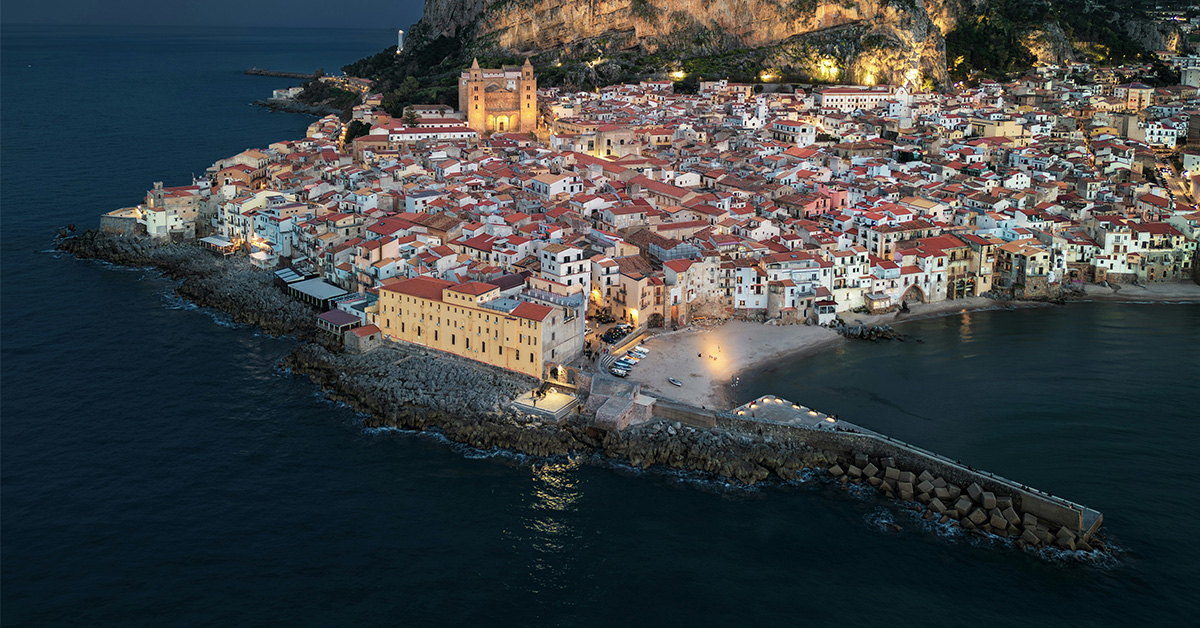

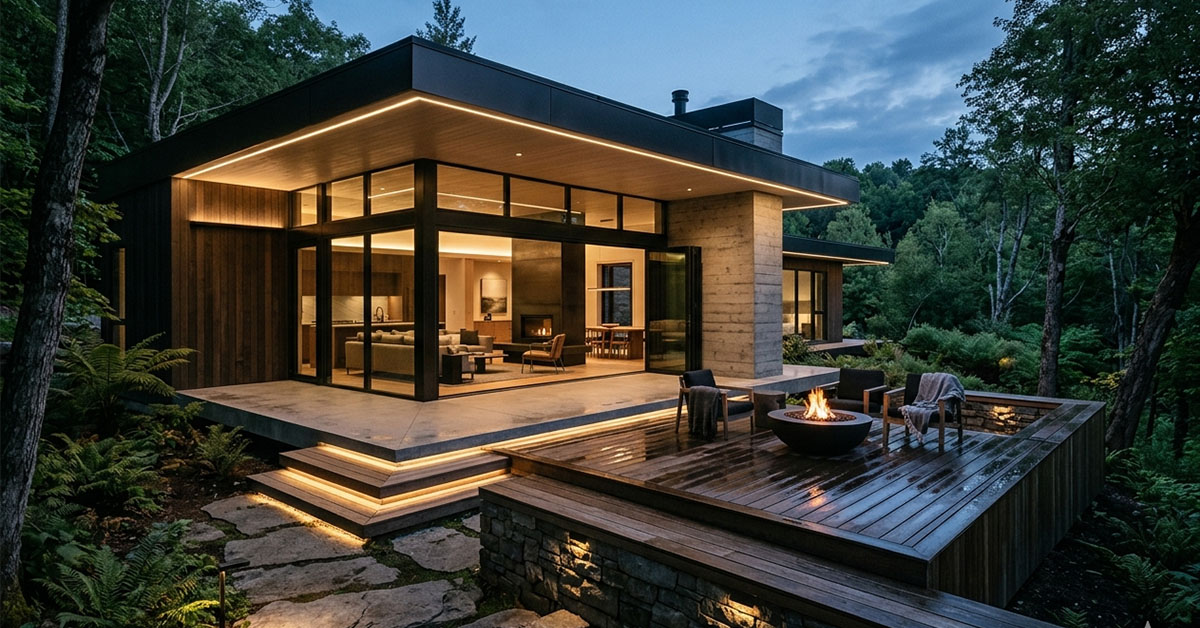
Explore the top architectural facade lighting trends for 2026, including smart lighting systems, sustainable illumination, media facades, and integrated outdoor lighting solutions from Daou Lighting.
Architectural facade lighting is entering a new era in 2026. Around the world, architects, urban planners, lighting designers, and developers are rethinking how buildings interact with cities after dark. Modern facade lighting is no longer limited to decorative illumination — it now combines smart technology, sustainability, media interaction, and seamless architectural integration.
As cities continue investing in smart infrastructure and energy-efficient urban environments, exterior lighting systems are becoming more intelligent, adaptive, and visually immersive. Major lighting manufacturers such as Signify, ERCO, Color Kinetics, and Daou Lighting are helping shape the future of architectural illumination through advanced LED technologies and integrated facade lighting solutions.
In this article, we explore the top five trends driving modern architectural facade lighting in 2026 and how these innovations are transforming commercial buildings, hospitality projects, cultural landmarks, and urban developments worldwide.
1. Smart and AI-Driven Facade Lighting Systems
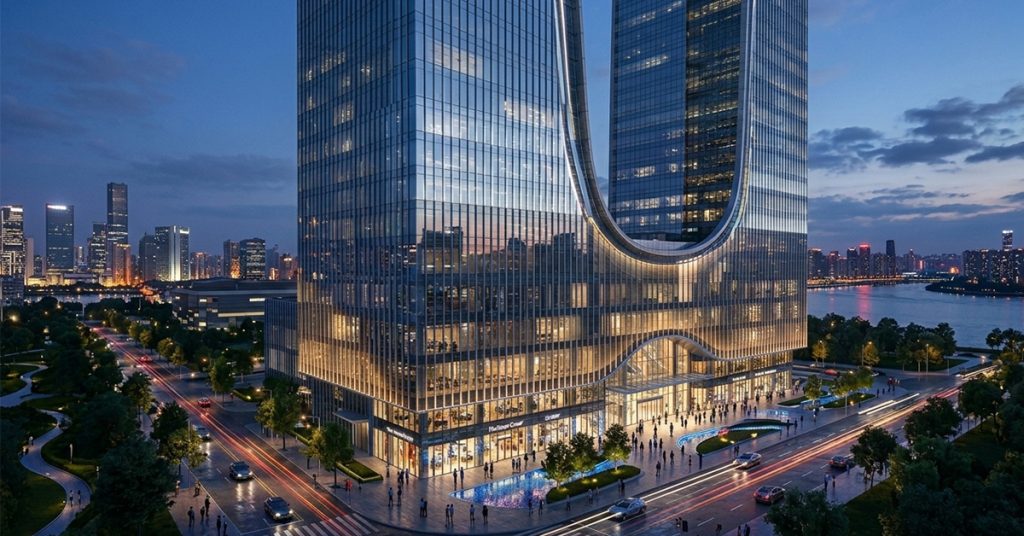
One of the most important trends in architectural facade lighting for 2026 is the rise of smart and AI-powered lighting systems. Buildings are increasingly becoming part of connected smart city ecosystems, where lighting dynamically responds to environmental conditions, occupancy, traffic flow, and user interaction.
Modern facade lighting systems now use:
• IoT connectivity
• AI-based lighting controls
• Cloud-based management platforms
• Real-time dimming automation
• Predictive maintenance systems
These intelligent systems help reduce energy consumption while improving operational flexibility and user experience.
For commercial towers, hotels, retail centers, and public buildings, adaptive lighting scenes allow operators to create different visual identities throughout the evening. Lighting can automatically adjust brightness levels according to weather conditions, pedestrian activity, or special events.
AI-driven facade lighting also supports sustainability goals by minimizing unnecessary power consumption during low-traffic nighttime hours. As smart city infrastructure expands globally, connected architectural lighting systems are expected to become standard in large-scale urban developments.
Why Smart Facade Lighting Matters
Smart facade lighting provides several major advantages:
• Lower operational costs
• Improved energy efficiency
• Remote lighting management
• Enhanced urban aesthetics
• Easier maintenance monitoring
• Flexible event-based lighting scenes
For developers and architects, smart lighting systems also improve the long-term value of commercial properties by future-proofing building infrastructure.
2. Tunable White and Human-Centric Exterior Lighting
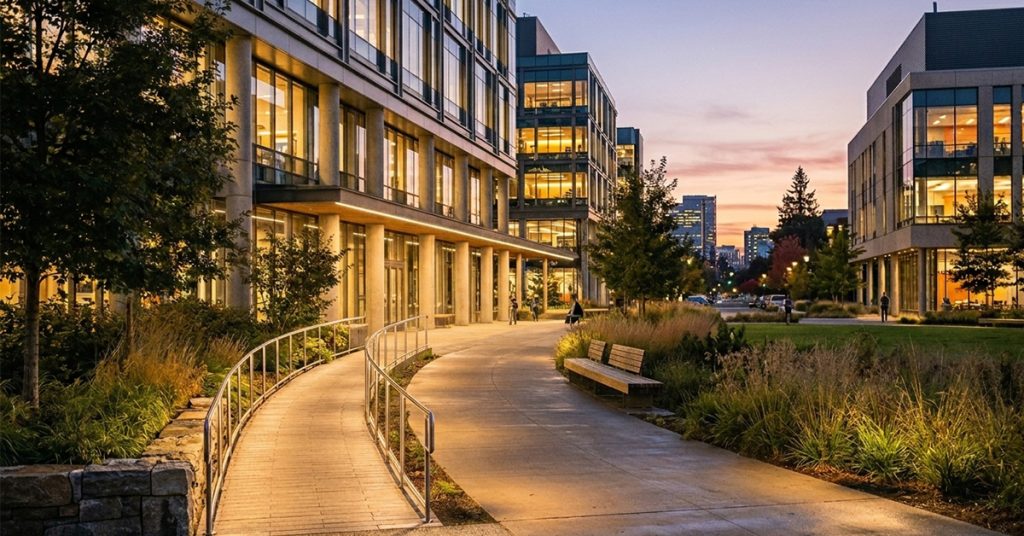
Human-centric lighting is no longer limited to interior environments. In 2026, tunable white facade lighting is becoming increasingly popular for architectural exteriors.
Rather than using a fixed color temperature, tunable white technology allows buildings to shift dynamically between warm and cool white illumination depending on time, atmosphere, or project requirements. When designing such dynamic setups, understanding R9 and its impact on outdoor architectural lighting becomes essential to ensure true-to-life color rendering of building materials at night.
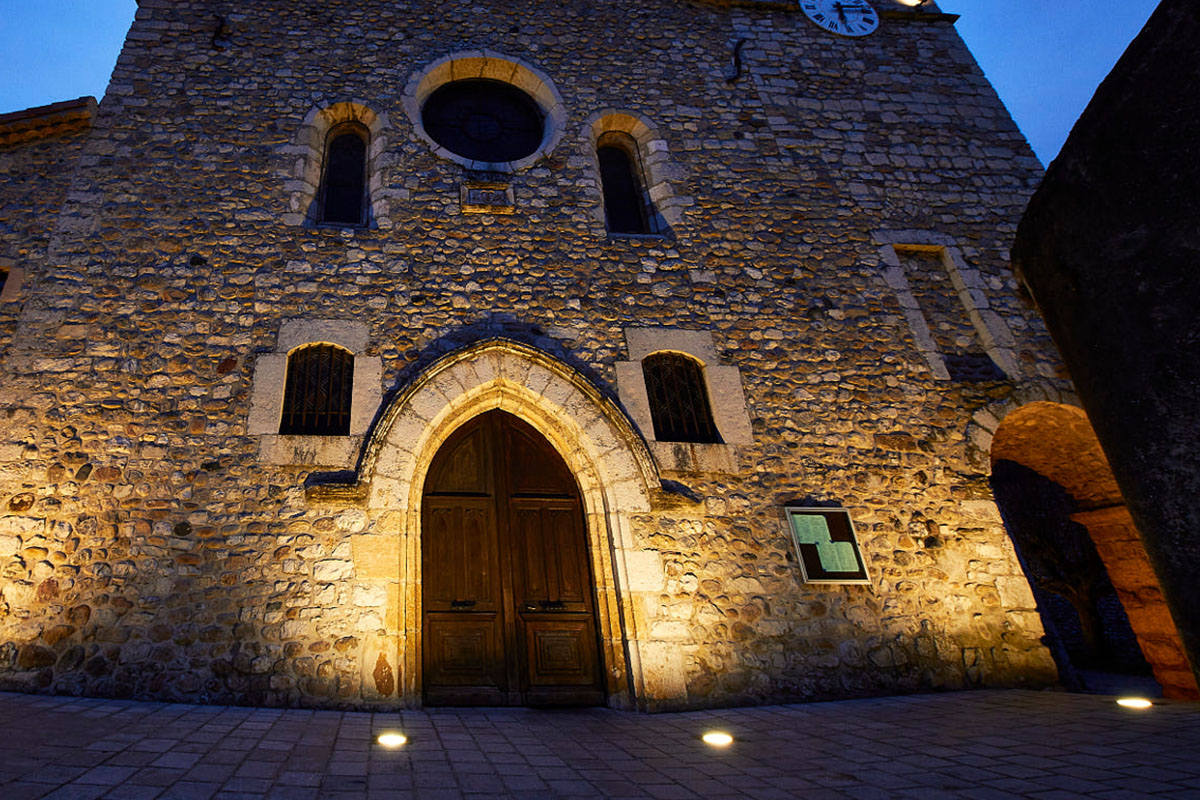
This approach helps create more comfortable nighttime urban environments while improving the visual appearance of architectural materials such as stone, glass, metal, and concrete.
Applications include:
• Luxury hotels
• Cultural buildings
• Historic renovations
• Mixed-use developments
• Premium commercial architecture
For example, warmer color temperatures can highlight hospitality environments and create a welcoming atmosphere, while cooler white lighting may emphasize modern glass facades and contemporary urban aesthetics.
Benefits of Tunable White Facade Lighting
Key benefits include:
• Enhanced architectural depth and texture
• Improved visual comfort
• Flexible nighttime ambiance
• Better material rendering
• Dynamic facade storytelling
As LED control systems become more advanced, tunable white technology is becoming easier to integrate into both large-scale and boutique architectural lighting projects.
3. Sustainable and Dark-Sky-Compliant Lighting Design
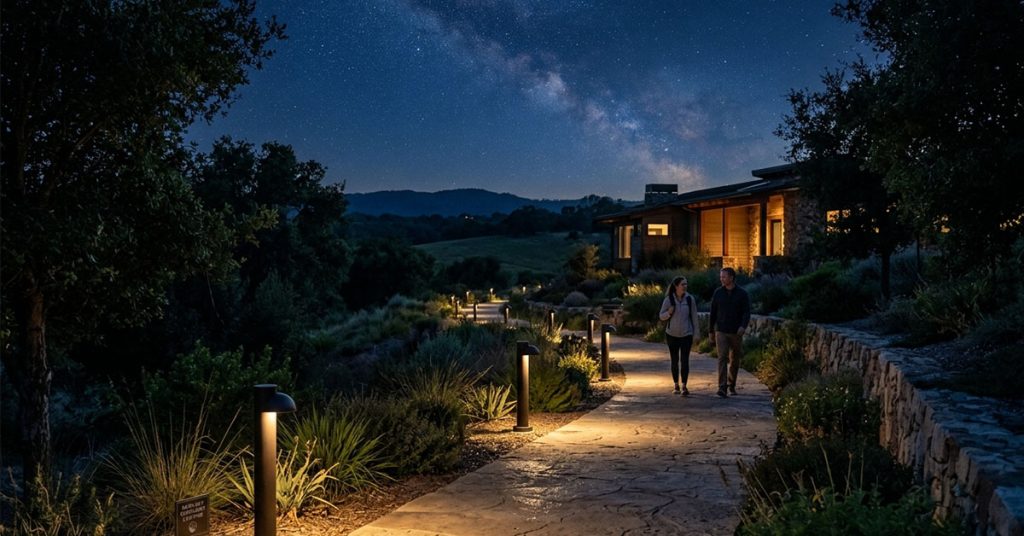
Sustainability is now one of the central priorities in architectural facade lighting design. Governments and developers are placing greater emphasis on reducing carbon emissions, minimizing light pollution, and improving energy efficiency.
In response, dark-sky-compliant lighting strategies are becoming a major trend in 2026.
Modern facade lighting systems now focus on:
• Precision optical control
• Reduced upward light spill
• Low-glare illumination
• Automated dimming schedules
• High-efficiency LED luminaires
These strategies help protect urban night skies while still delivering visually impactful building illumination.
Sustainable facade lighting also supports environmental certifications such as:
• LEED
• WELL Building Standard
• BREEAM
Architects increasingly seek lighting solutions that balance aesthetics with environmental responsibility.
The Rise of Energy-Efficient LED Facade Lighting
Advanced LED technology has dramatically improved facade lighting efficiency over the past decade. New-generation outdoor luminaires now offer:
• Longer operational lifespan
• Lower maintenance costs
• Reduced energy consumption
• Improved thermal management
• Higher lumen efficiency
This makes LED facade lighting an essential component of sustainable urban development projects.
4. Media Facades and Interactive Building Experiences
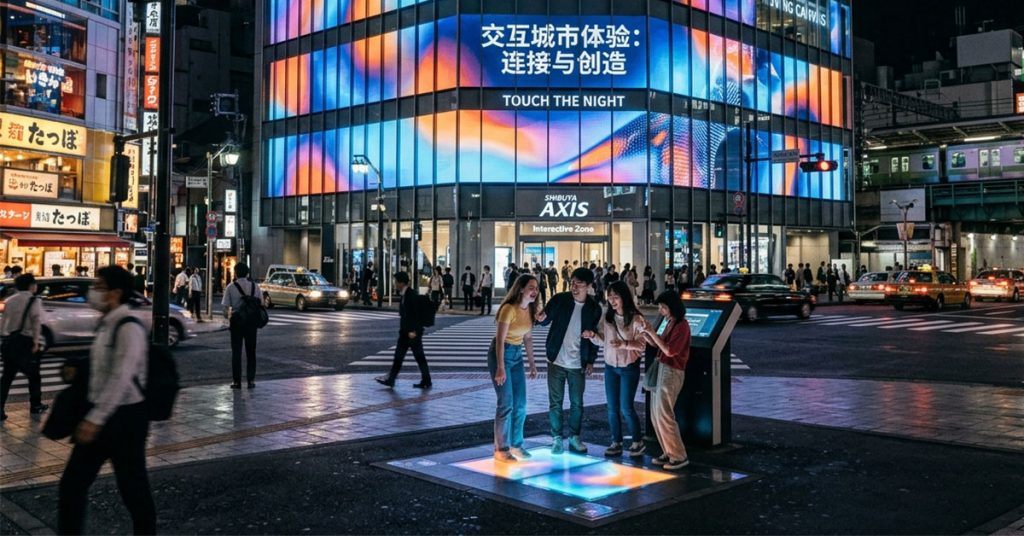
In 2026, buildings are becoming interactive visual platforms. Media facades are transforming architecture into dynamic digital experiences using programmable LED technology and intelligent lighting controls.
Media facade lighting is increasingly used in:
• Retail destinations
• Airports
• Stadiums
• Entertainment districts
• Commercial skyscrapers
• Public landmarks
Unlike traditional static facade illumination, media facades can display:
• Dynamic animations
• Branded content
• Event-based visuals
• Interactive lighting effects
• Data-responsive displays
Some systems even respond to weather conditions, music, pedestrian movement, or live social media interactions.
Why Media Facades Are Growing
Cities around the world are competing to create iconic nighttime identities. Interactive facade lighting allows buildings to become recognizable urban landmarks while enhancing tourism, branding, and public engagement.
At the same time, improvements in LED pixel control and DMX lighting systems are making media facades more energy-efficient and easier to manage. When implementing these large-scale installations, choosing between wireless DMX vs wired DMX systems is a critical technical decision that dictates overall project reliability.
5. Seamless Architectural Integration and Invisible Lighting
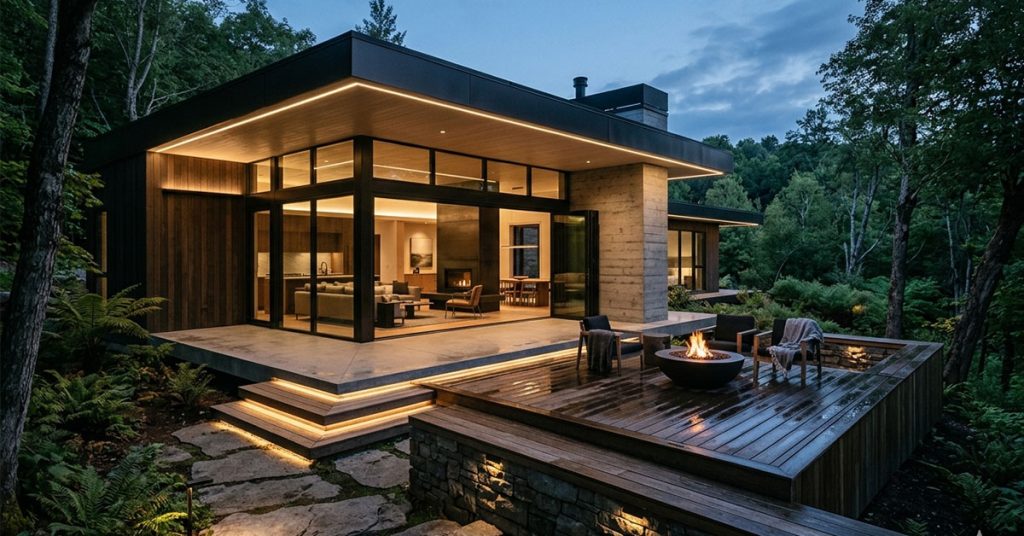
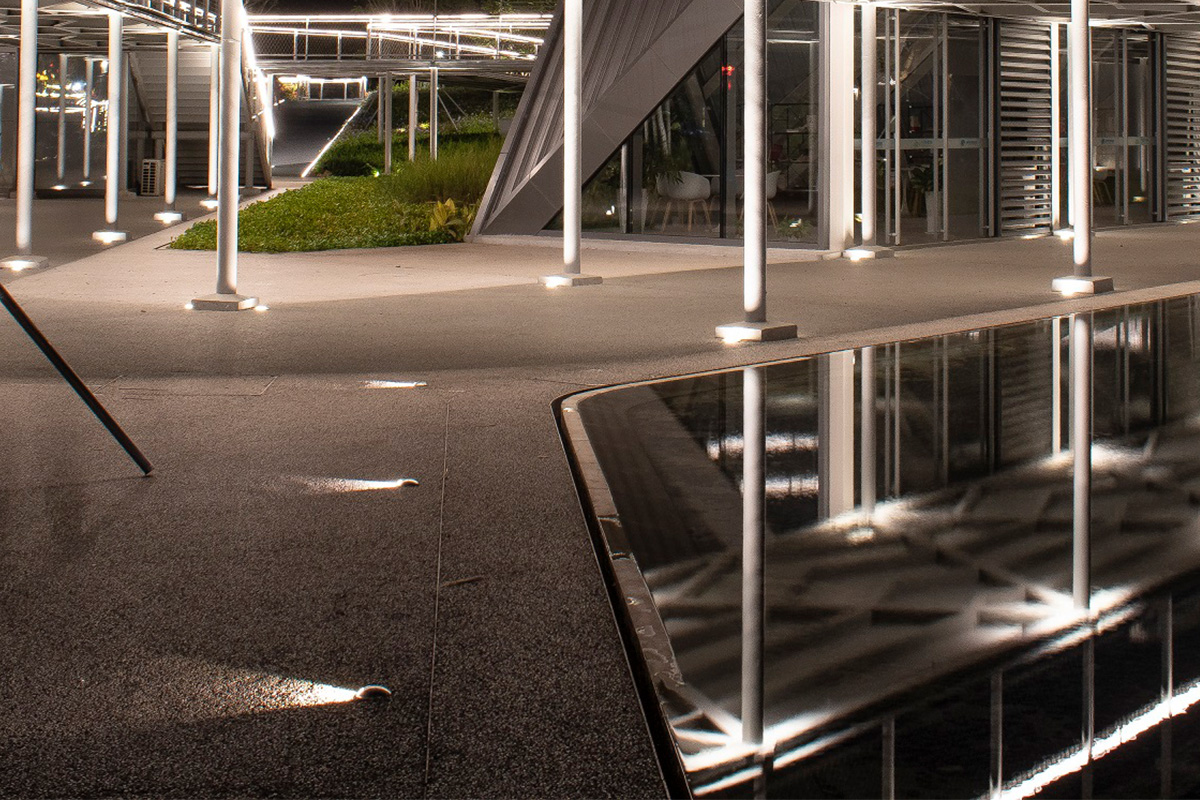
One of the strongest architectural lighting trends for 2026 is the move toward invisible lighting integration.
Architects increasingly prefer luminaires that disappear into the building structure rather than visually competing with the architecture itself. The goal is simple: highlight the architecture, not the fixture.
Modern facade lighting is now integrated into:
• Architectural joints
• Facade fins
• Handrails
• Recessed channels
• Urban landscape elements
This minimalist approach creates cleaner daytime aesthetics while maintaining powerful nighttime illumination performance.
Compact and Integrated Outdoor Lighting Solutions
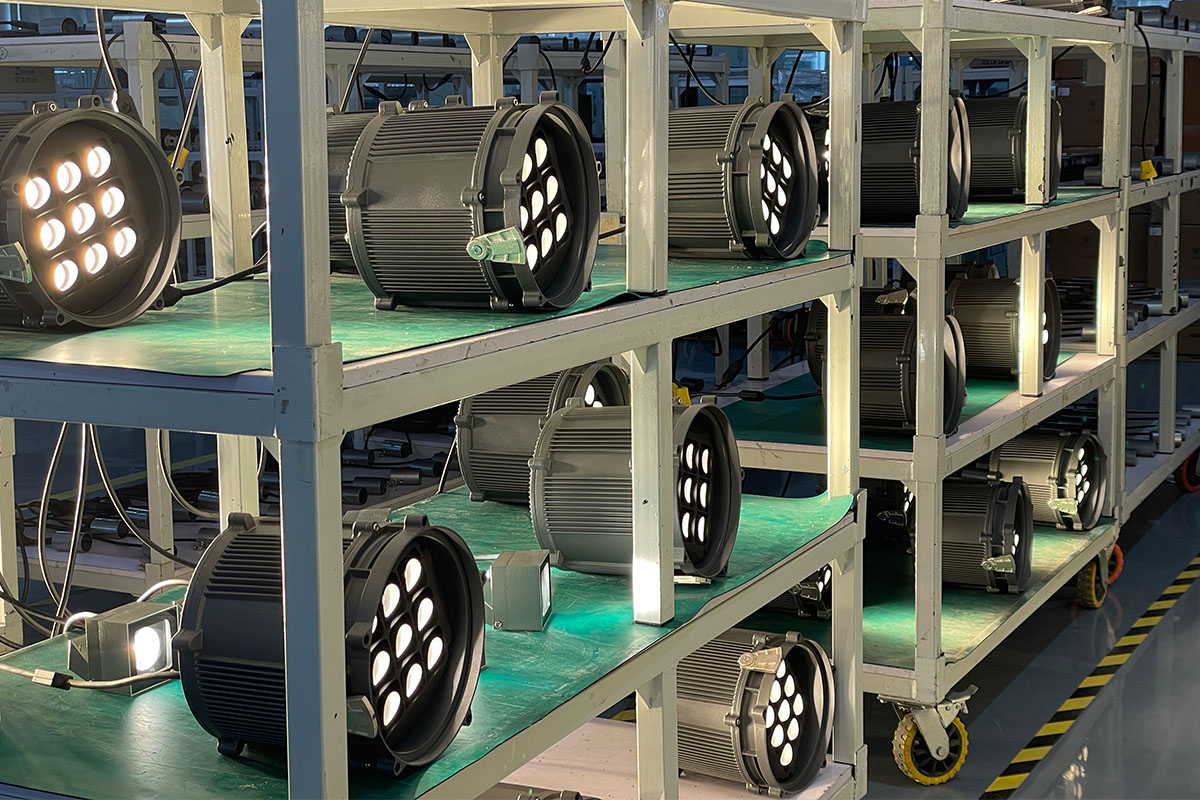
Miniaturized LED technology and improved thermal engineering now allow manufacturers to produce highly compact outdoor luminaires without sacrificing performance.
Manufacturers specializing in integrated outdoor architectural lighting, such as Daou Lighting, are increasingly focusing on compact linear luminaires, recessed facade fixtures, and precision optical systems designed for seamless architectural integration.
By combining minimalist fixture design with high-performance outdoor durability, companies like Daou Lighting help architects achieve cleaner facade aesthetics while maintaining strong illumination performance. You can explore how these hidden fixtures perform in real-world applications by browsing our comprehensive architectural facade lighting portfolio.
This trend is particularly important for:
• Luxury commercial buildings
• Contemporary architecture
• Hospitality projects
• High-end retail environments
• Urban mixed-use developments
Invisible lighting integration is expected to become one of the defining characteristics of premium architectural lighting design over the next several years.
The Future of Architectural Facade Lighting
The future of architectural facade lighting is increasingly intelligent, sustainable, and experience-driven. As urban environments continue evolving, buildings will play a larger role in shaping nighttime identity through adaptive illumination and integrated lighting technologies.
Key innovations such as:
• AI-powered lighting controls
• Tunable white illumination
• Sustainable lighting strategies
• Interactive media facades
• Integrated architectural luminaires
are redefining how architects and lighting designers approach exterior building illumination.
Manufacturers such as Signify, ERCO, Color Kinetics, and Daou Lighting are helping drive this transformation through smart controls, energy-efficient LED technology, and architecturally integrated facade lighting solutions.
As demand for sustainable and intelligent exterior illumination continues to grow, lighting manufacturers that combine optical precision, durability, and modern design flexibility will play an increasingly important role in future urban environments.
Frequently Asked Questions (FAQ)
What is architectural facade lighting?
Architectural facade lighting refers to exterior lighting systems designed to illuminate building facades for aesthetic, functional, and branding purposes. It enhances architectural details, improves nighttime visibility, and creates visual identity for buildings.
Why is smart facade lighting important in 2026?
Smart facade lighting improves energy efficiency, enables remote control, supports dynamic lighting scenes, and integrates buildings into smart city infrastructure using IoT and AI technologies.
What are media facades?
Media facades are building exteriors that use programmable LED lighting systems to display animations, graphics, interactive effects, or dynamic visual content.
What is dark-sky-compliant lighting?
Dark-sky-compliant lighting minimizes light pollution by reducing upward light spill and glare while maintaining effective architectural illumination.
Why are integrated facade luminaires becoming popular?
Integrated luminaires create cleaner architectural aesthetics by hiding lighting fixtures within building structures while still delivering powerful and precise illumination.