
Lumen vs Lux: Why Outdoor Lighting Design Should Focus on Illuminance, Not Just Output
In outdoor architectural lighting, many clients focus only on lumens (lm) when selecting fixtures. However, this approach often leads to poor lighting results—uneven brightness, glare, or insufficient visibility.
To design effective lighting, you must understand the critical difference between luminous flux (lumen) and illuminance (lux)—and why lux is the real design metric.
What Is Lumen (lm)? — Total Light Output
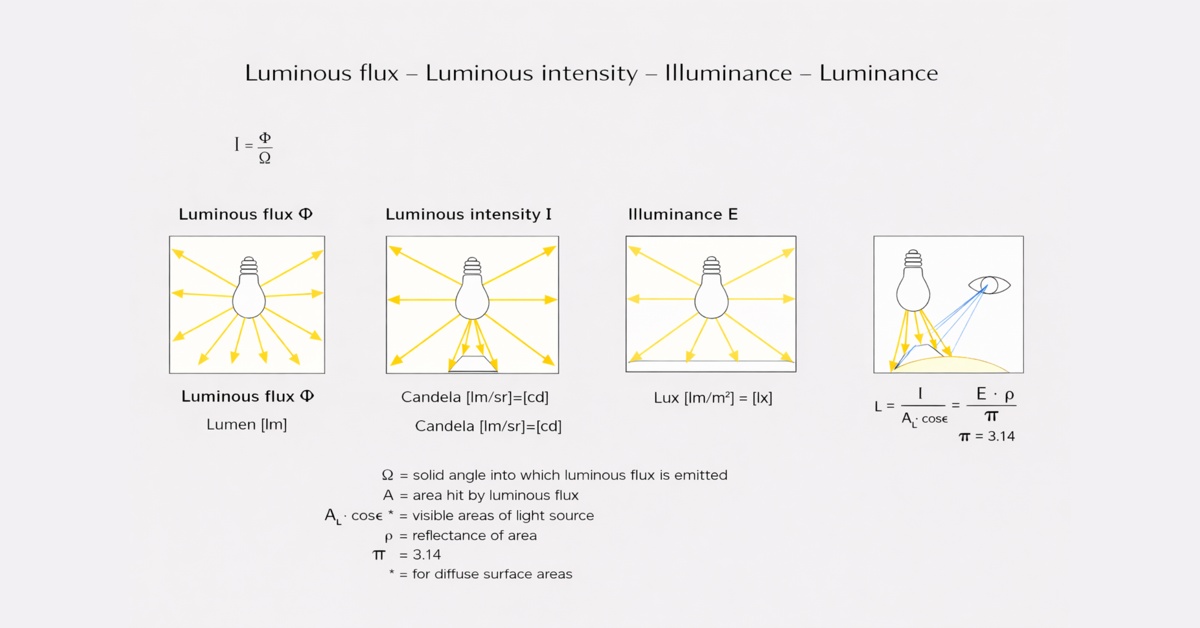
Lumen (lm) measures the total amount of visible light emitted by a light source. Think of it as the “horsepower” of your light bulb. The higher the lumen count, the brighter the bulb. However, in outdoor settings, lumens alone don’t tell the whole story.
While selecting the right lumens ensures your space is bright enough, the “feel” of your outdoor area depends heavily on color temperature. For instance, outdoor lighting color temperature plays a crucial role in balancing visibility with a welcoming ambiance—3000K is often the ‘sweet spot’ for residential landscapes.
• It represents overall brightness output
• Independent of distance, beam angle, or surface
• Used to compare light sources (e.g., LED vs halogen)
👉 Example:
A 3000 lm floodlight emits more total light than a 1000 lm fixture.
But here’s the problem:
Lumen does not tell you how bright a surface will actually appear.
What Is Lux (lx)? — Light on a Surface
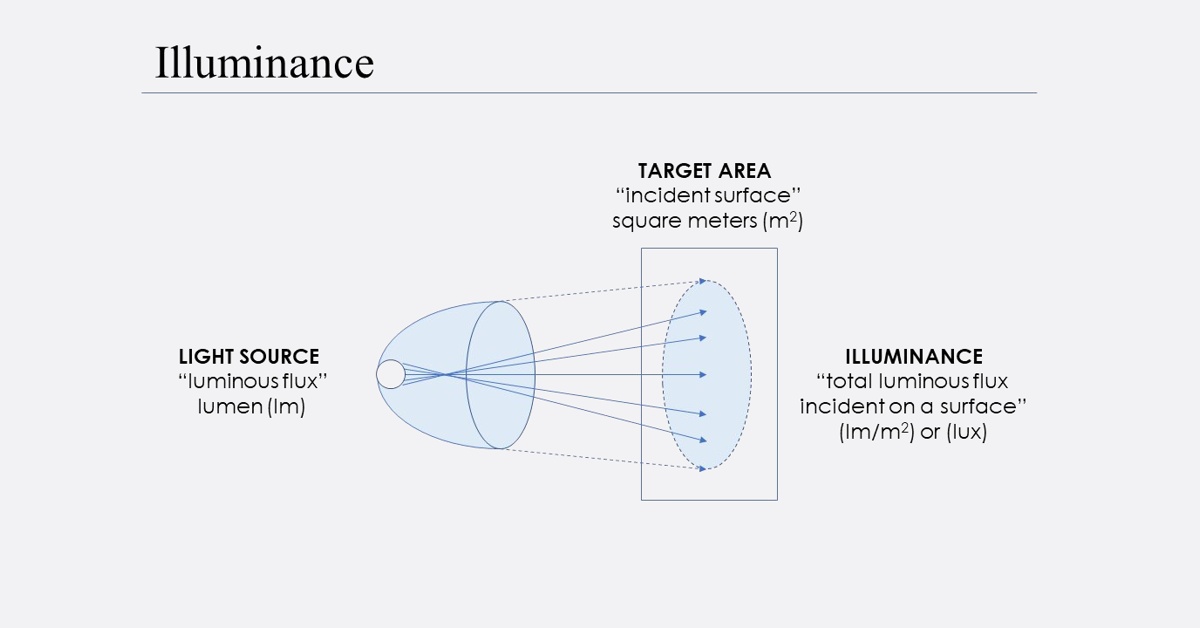
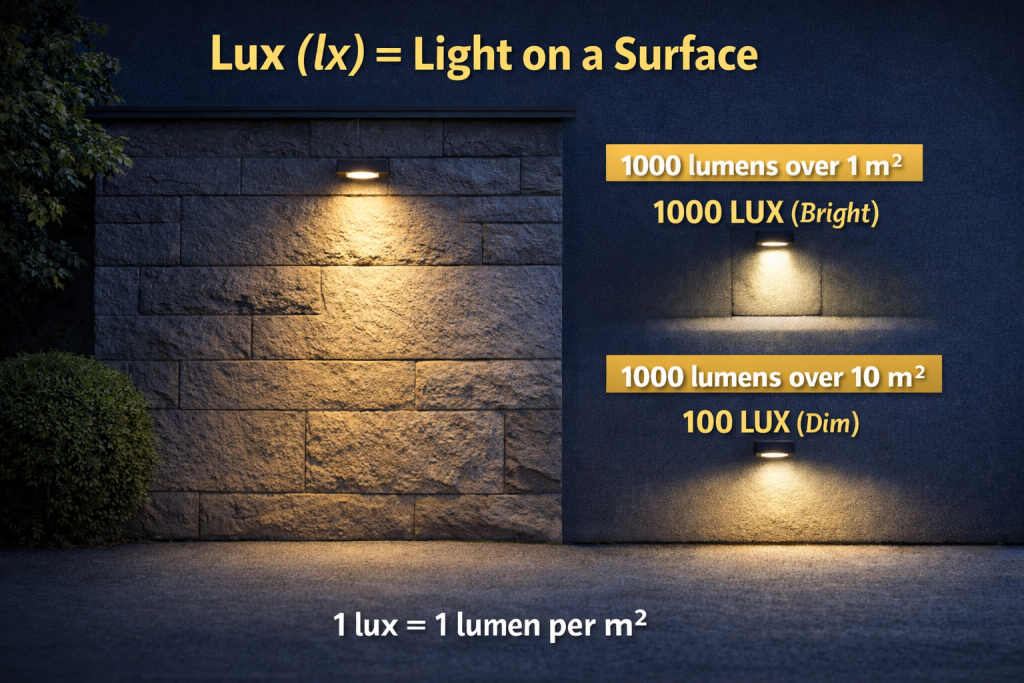
Lux (lx) measures illuminance—the amount of light falling on a surface. One lux is equal to one lumen per square meter. In outdoor lighting, lux is what determines if a pathway is safe to walk on or if a tree is properly highlighted.
Achieving the ideal lux level on a pathway requires more than just high-lumen bulbs; it’s about precision. Using specialized fixtures like Inground LED Linear Lights allows you to distribute light evenly across the ground, minimizing dark spots and glare for a safer, more professional finish.
• 1 lux = 1 lumen per square meter
• Depends on distance, beam angle, and area
• Reflects actual visual brightness
👉 Example:
• 1000 lumens over 1 m² = 1000 lux (bright)
• 1000 lumens over 10 m² = 100 lux (dim)
Key Difference: Lumen vs Lux
| Metric | Lumen (lm) | Lux (lx) |
|---|---|---|
| Definition | Total light output | Light received per area |
| Focus | Light source | Illuminated surface |
| Affected by distance? | ❌ No | ✅ Yes |
| Design relevance | Low | High |
| Formula | — | 1 lx = 1 lm/m² |
👉 In simple terms:
• Lumen = how much light is produced
• Lux = how useful that light actually is
Why Lumen Alone Is Misleading in Outdoor Lighting
1. Distance Reduces Brightness
Light spreads out over distance, reducing illuminance.
• Doubling distance → lux drops dramatically
• High-lumen fixtures may still produce low lux on surfaces
2. Beam Angle Changes Everything
A narrow beam concentrates light → higher lux
A wide beam spreads light → lower lux
👉 Two fixtures with identical lumens can produce completely different visual results.
3. Surface Area Matters
Large façades require more lumens to achieve the same lux level.
This is especially critical in:
• Building facades
• Bridges
• Landscape lighting
Why Lux Is the Core Metric in Architectural Lighting
1. It Reflects Real Visual Effect
Lux determines:
• Brightness perception
• Contrast
• Visual comfort
👉 This is what clients actually see—not lumens.
2. It Enables Professional Lighting Design
Lighting designers always work with target lux levels, such as:
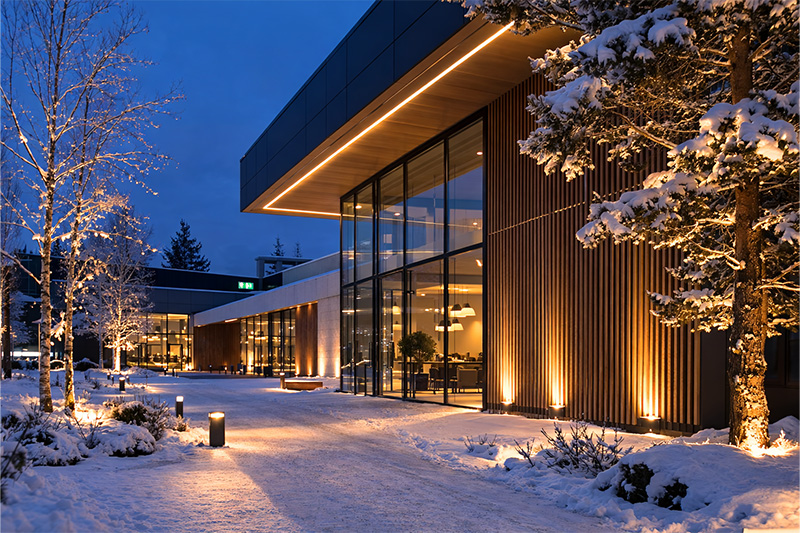
• Facade washing: 50–200 lux
• Accent lighting: 200–500 lux
• Landmark lighting: 300+ lux
3. It Ensures Uniformity
Good lighting is not just bright—it must be even.
Lux helps evaluate:
• Hot spots
• Dark areas
• Overall uniformity ratio
Practical Example: Facade Lighting
Scenario:
You install a 5000 lm floodlight to illuminate a building facade.
Case A: Poor Design
• Wide beam angle
• Long distance
• Result: ~50 lux → dull, uneven lighting
Case B: Optimized Design
• Proper optics
• Correct distance
• Result: ~200 lux → bright, uniform facade
👉 Same lumens. Completely different results.
How to Choose Lighting Correctly
To get the best results, you need to match the lumen output of your fixtures with the required lux for the application:
• Pathways: Focus on low lumens but consistent lux to avoid “hot spots.”
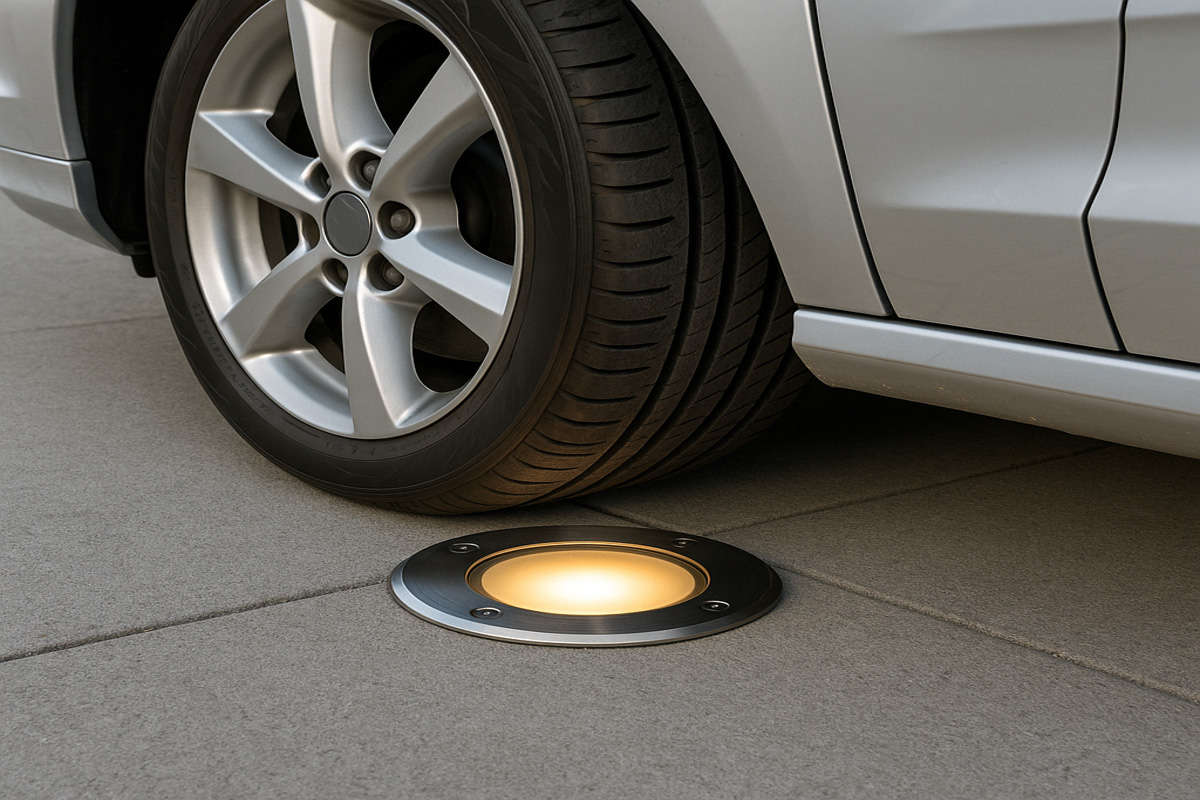
• Accent Lighting: Higher lumens are needed for Inground Uplighters to ensure the light reaches the top of architectural features or tall trees.
• Security: High lumens and high lux are essential for broad coverage.
Step 1: Define Target Lux
Start with design requirements, not fixture specs.
Step 2: Calculate Required Lumens
Based on:
• Area (m²)
• Target lux
• Loss factors
Step 3: Optimize Optics & Layout
• Beam angle
• Mounting distance
• Fixture spacing
Common Mistake in the Industry
❌ “This fixture has high lumens, so it must be bright.”
✔ “Does this design achieve the required lux on the surface?”
This misunderstanding is one of the biggest reasons for:
• Over-lighting (waste of energy)
• Under-lighting (poor effect)
• Client dissatisfaction
Conclusion
In outdoor architectural lighting, understanding the difference between Lumen and Lux is the first step toward a successful lighting project. However, for coastal or harsh environments, brightness is only half the battle. Choosing marine-grade outdoor lighting (where durability meets performance) ensures that your carefully calculated lux levels remain consistent for years to come, despite salt and moisture.
• Lumen is a product parameter
• Lux is a design parameter
👉 If you want professional results:
Always design with lux, not just lumens.
Final Recommendation: Focus on Results, Not Just Specifications
In outdoor architectural lighting, success is not defined by how powerful a fixture looks on paper—but by how the building actually appears at night. While lumens are useful for comparing products, they do not guarantee visual performance.
Professional lighting design always starts with lux targets, then works backward to select the right fixtures, optics, and layout. This ensures:
• Consistent brightness across surfaces
• Controlled glare and better visual comfort
• Efficient use of energy without over-lighting
👉 Just like choosing between control systems, where reliability matters more than convenience, the same principle applies here:
A lighting solution designed around lux will always outperform one based only on lumens.
For developers, architects, and lighting designers, the takeaway is simple:
Don’t just ask how much light a fixture produces—ask how well it performs on your project.
Partner with a Manufacturer That Designs with Lux in Mind
At the end of the day, outdoor architectural lighting is not about how bright a fixture claims to be—it’s about how the building looks at night.
That’s why leading projects increasingly choose manufacturers who:
• Prioritize illuminance (lux) design
• Offer project-based customization
• Deliver stable, long-term outdoor performance
👉 If you are searching for a trusted architectural lighting manufacturer in China, make sure they don’t just sell lumens—they design for results.