
Outdoor Architectural Lighting for Coastal Environments | Marine-Grade Luminaires Manufacturer
Outdoor Architectural Lighting Applications in Coastal Environments
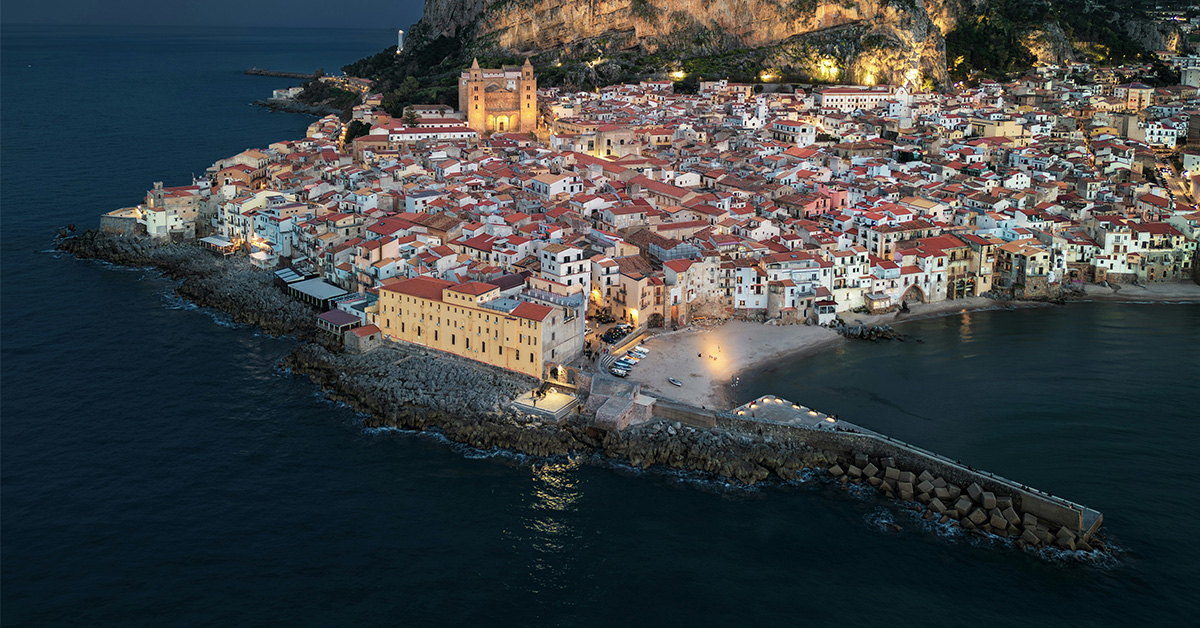
Coastal architecture presents unique visual opportunities for nighttime illumination. Resorts, waterfront promenades, seaside villas, and marinas often rely on outdoor architectural lighting to highlight structural features, enhance safety, and create a welcoming nighttime atmosphere.
However, the coastal environment is one of the most demanding conditions for lighting fixtures. High humidity, salt spray, strong winds, and UV exposure can quickly damage poorly designed luminaires. For architects, lighting designers, and project developers, selecting the right coastal-grade outdoor luminaires is essential for long-term performance.
This article explores how outdoor architectural lighting fixtures are applied in coastal environments, the technical challenges involved, and the best design strategies for durability and aesthetics.
1. Challenges of Coastal Environments for Lighting Fixtures
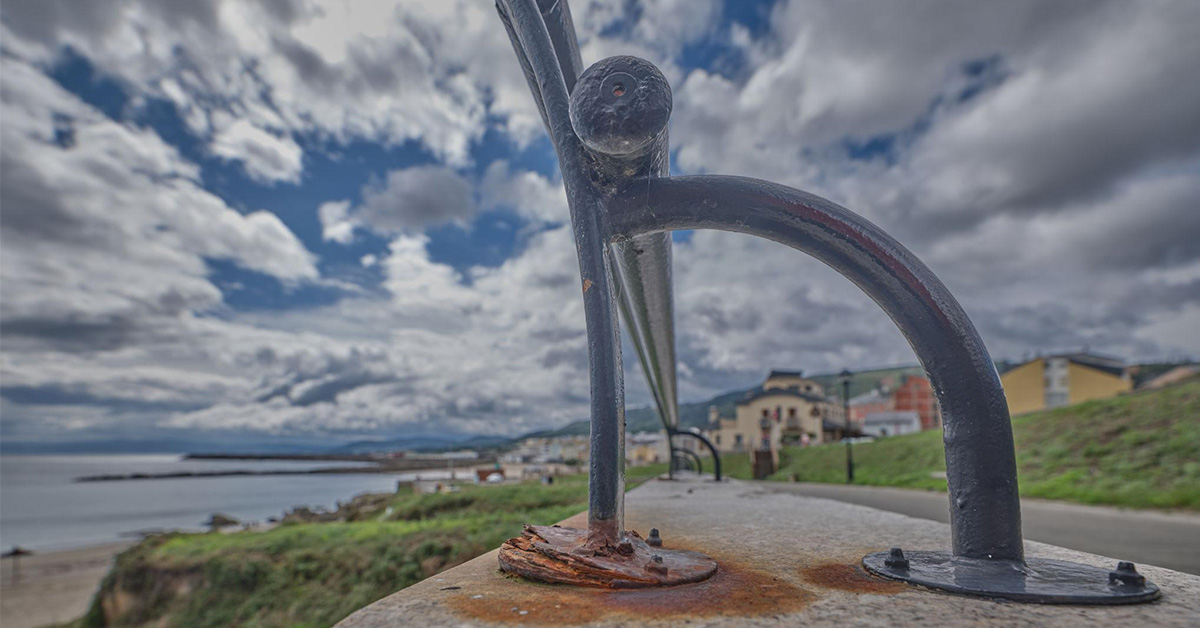
Lighting fixtures installed near the ocean must withstand some of the harshest environmental conditions in architectural applications.
Key Environmental Factors
1. Salt Spray Corrosion
Sea salt particles carried by wind accumulate on metal surfaces, accelerating oxidation and corrosion. This can damage fixture housings, mounting hardware, and internal components.
2. High Humidity and Moisture
Coastal areas often maintain humidity levels above 70%. Moisture intrusion can cause electrical failures and condensation inside luminaires.
3. Strong UV Radiation
Direct sunlight and UV exposure degrade plastic components, seals, and coatings over time.
4. Wind and Sand Abrasion
High coastal winds can carry sand and debris that scratch lenses and compromise protective coatings.
Because of these conditions, standard outdoor lighting fixtures are often unsuitable for coastal projects without proper protection and material selection.
2. Key Requirements for Coastal-Grade Outdoor Luminaires
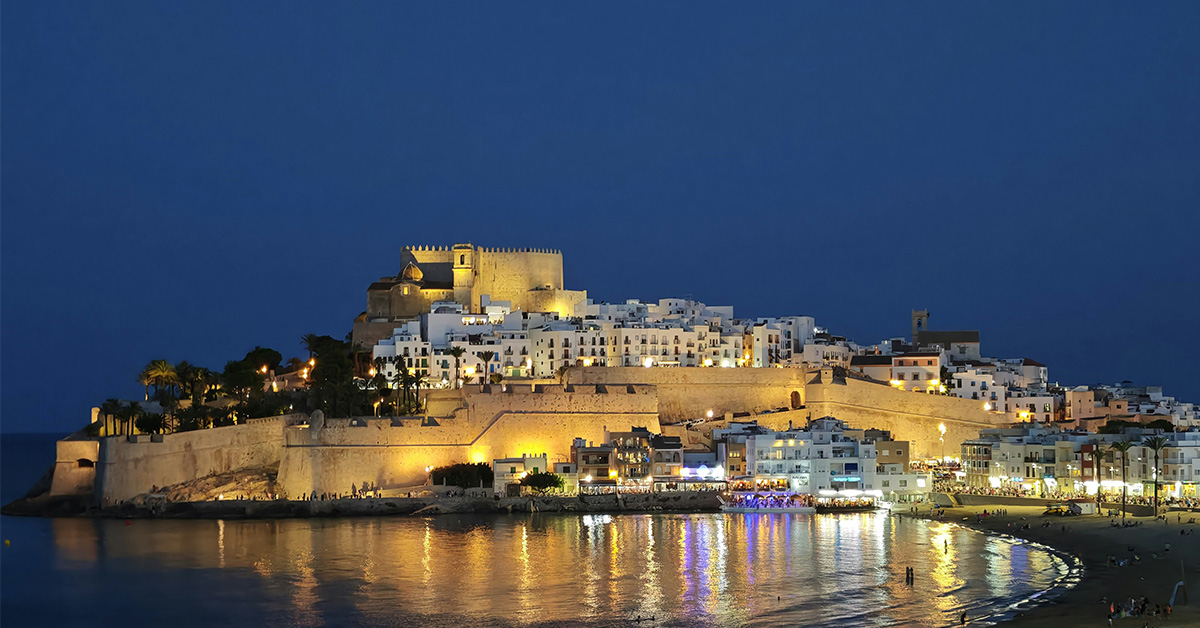
To ensure long service life in seaside installations, outdoor architectural lighting fixtures must meet specific design standards.
1. Corrosion-Resistant Materials
The most reliable materials include:
• Marine-grade aluminum with anti-corrosion coating
• 316L stainless steel
• Powder-coated die-cast aluminum
• Anodized aluminum
Among these, marine-grade aluminum with anti-corrosion coating and 316 stainless steel is widely used for coastal applications due to its superior resistance to chloride corrosion.
2. High Protection Ratings
Outdoor coastal lighting should typically meet:
• IP66 or IP67 for water and dust protection
• IK08–IK10 for mechanical impact resistance
These ratings help prevent seawater ingress and physical damage.
3. Anti-Corrosion Surface Treatment
Advanced treatments improve durability, including:
• Electrostatic powder coating
• Marine-grade anodizing
• Anti-salt spray coating
High-quality fixtures often pass 1000+ hours salt spray testing.
4. Waterproof Sealing Technology
Reliable sealing systems include:
• Silicone gaskets
• Waterproof cable glands
• Pressure equalization valves
These prevent moisture accumulation inside the luminaire.
3. Typical Applications of Coastal Architectural Lighting
3.1 Seaside Building Facade Lighting
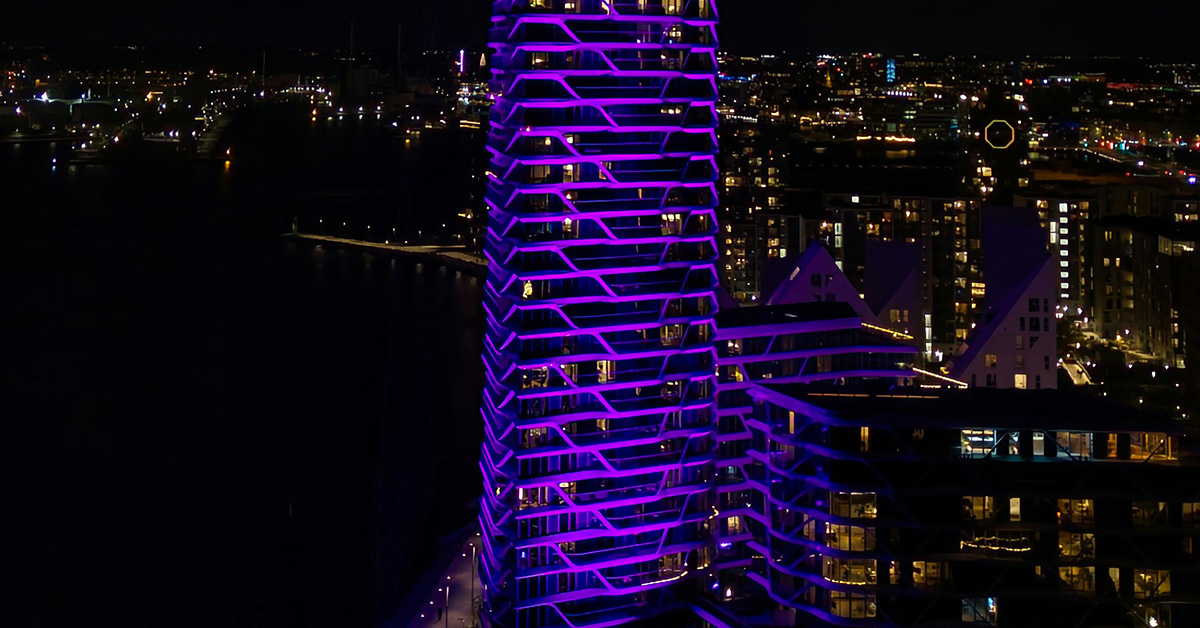
Facade lighting is widely used to highlight the architectural identity of waterfront buildings.
Common techniques include:
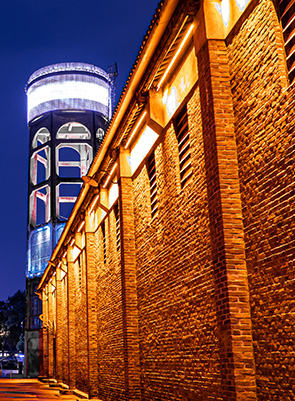
• Wall grazing to emphasize texture
• Wall washing for uniform illumination
• Accent lighting to highlight structural details
Typical luminaires used:
• LED linear wall washers
• Outdoor facade spotlights
• Narrow-beam uplights
For seaside hotels and resorts, facade lighting also enhances nighttime tourism appeal and visual landmarks along the coastline.
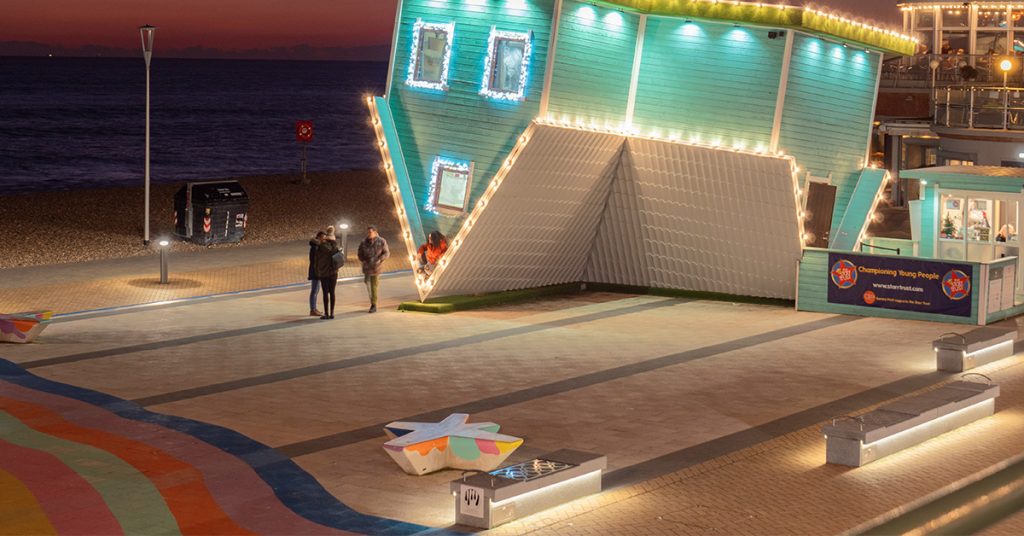
3.2 Landscape Lighting for Coastal Promenades
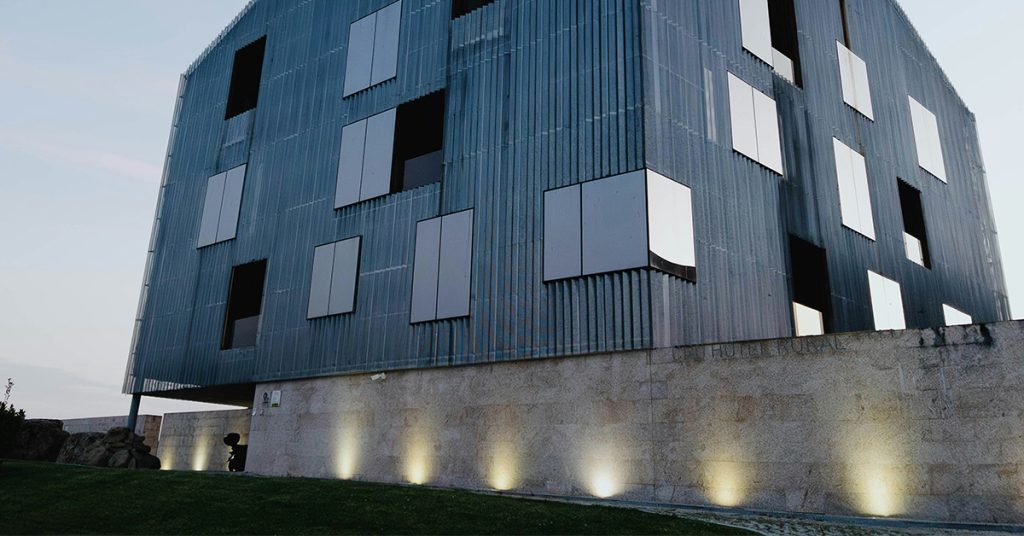
Public waterfront areas require lighting that balances aesthetic design and safety.
Typical lighting solutions include:
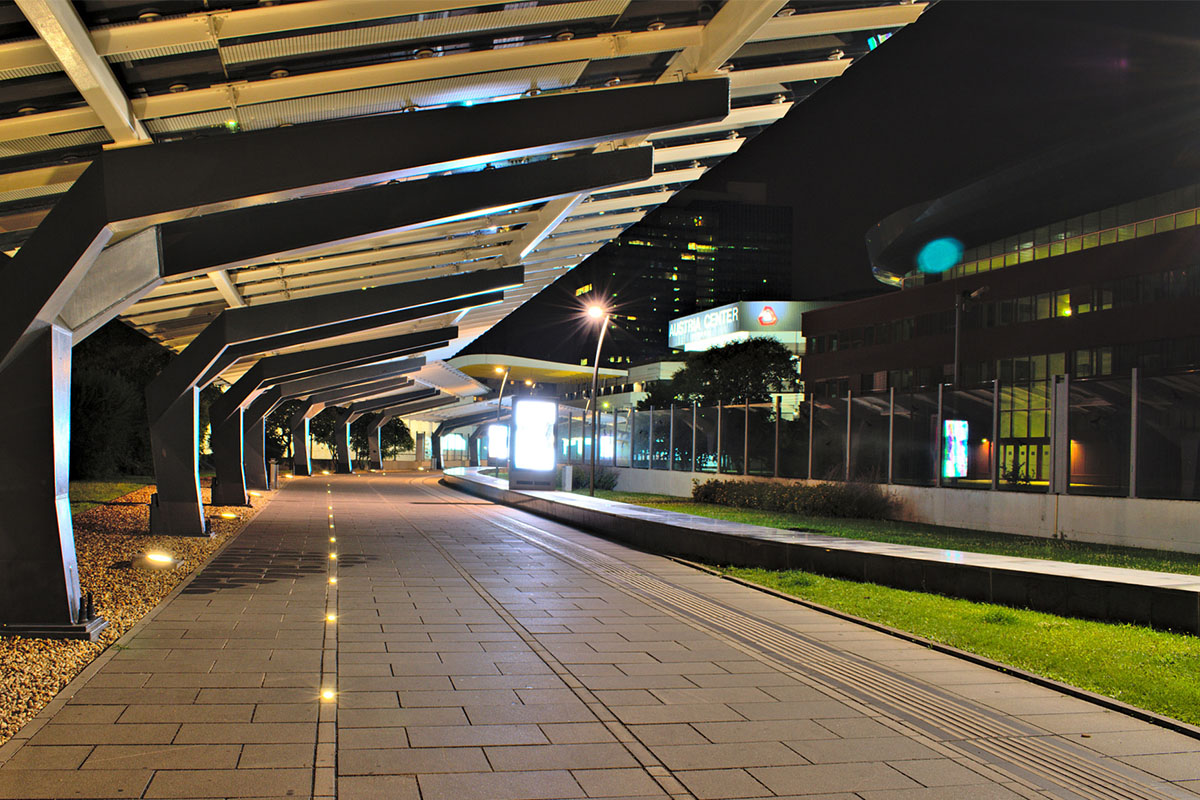
• LED bollard lights for pathways
• Inground uplights for palm trees and sculptures
• Step lights for stairs and terraces
• Linear lights integrated into handrails
These fixtures must resist salt corrosion, sand accumulation, and water exposure, making durability essential.
3.3 Marina and Waterfront Infrastructure Lighting
Marinas and docks require reliable illumination for navigation and safety.
Key fixture types include:
• Dock lighting
• Under-railing linear lighting
• Floodlights for harbor areas
• Navigation and safety lighting
These installations often operate in extremely humid and corrosive environments, making marine-grade luminaires essential.
4. Design Strategies for Coastal Lighting Projects
Successful coastal lighting design combines technical durability and visual harmony with the environment.
Choose Warm Color Temperatures
Coastal projects often use 2700K–3000K warm white light to complement natural landscapes and reduce glare near water.
Control Light Pollution
Use optics and shielding to avoid excessive light spill toward the ocean, protecting marine ecosystems.
Integrate Fixtures with Architecture
Discreet installation methods such as recessed uplights or concealed linear fixtures maintain the architectural aesthetics.
Prioritize Long-Term Maintenance
Selecting high-quality luminaires reduces maintenance costs and prevents corrosion-related failures.
5. Future Trends in Coastal Architectural Lighting
Modern coastal lighting design is increasingly influenced by sustainability and smart technology.
Emerging trends include:
• Smart lighting control systems
• Energy-efficient LED technology
• Solar-powered coastal lighting
• Low-glare optics for environmental protection
These innovations help create sustainable waterfront lighting systems that enhance both architectural beauty and environmental responsibility.
Outdoor architectural lighting plays a crucial role in enhancing coastal buildings, landscapes, and waterfront infrastructure. However, the harsh marine environment demands specialized lighting fixtures with superior corrosion resistance, waterproof protection, and durable materials.
By selecting marine-grade luminaires, implementing effective design strategies, and prioritizing long-term durability, architects and lighting designers can create stunning and reliable coastal lighting installations.
For projects near the sea, choosing the right outdoor architectural lighting fixtures for coastal environments ensures both aesthetic excellence and long-term performance.
Why choose a specialized architectural lighting manufacturer?
Working with a specialized architectural lighting manufacturer ensures that lighting fixtures are designed to meet the complex requirements of modern outdoor environments, especially in demanding locations such as coastal areas. Unlike general lighting products, architectural luminaires are engineered with advanced materials, precise optical design, and high-performance sealing technologies. A professional manufacturer can provide corrosion-resistant housings, high IP protection ratings, and reliable LED components that withstand harsh conditions like salt spray, humidity, and strong UV exposure. This level of expertise helps guarantee long-term durability, consistent lighting performance, and reduced maintenance costs for architectural projects.
In addition, specialized manufacturers offer greater flexibility in product customization and project support. They often work closely with architects, lighting designers, and contractors to develop tailored lighting solutions that match the aesthetic and technical requirements of each project. From beam angle selection and color temperature options to fixture size and mounting methods, customized architectural lighting ensures seamless integration with building facades, landscapes, and waterfront infrastructure. By partnering with an experienced architectural lighting manufacturer, project developers can achieve both visual impact and long-term reliability in outdoor lighting installations.