
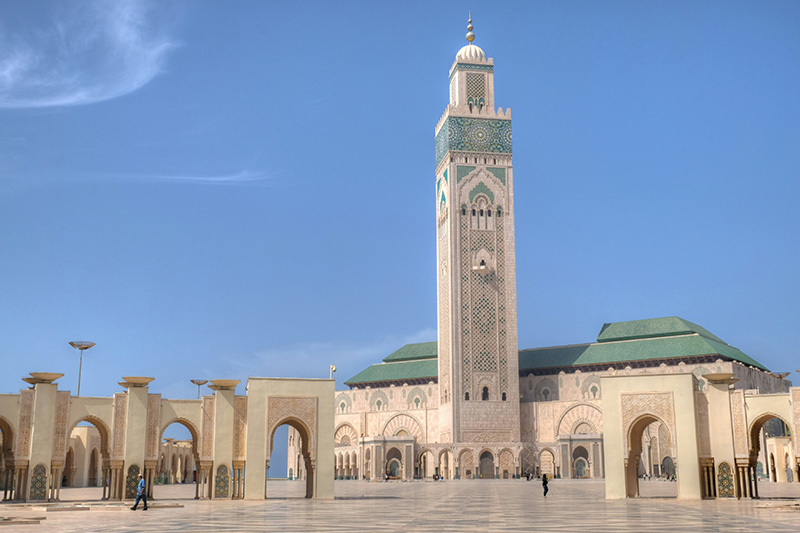
Outdoor Architectural Lighting for Extreme Heat | Middle East & MENA Projects
Outdoor Architectural Lighting for Extreme Heat: Solutions for Middle East & North Africa
Outdoor architectural lighting plays a key role in modern city landscapes, enhancing building aesthetics, improving nighttime visibility, and creating iconic landmarks. However, in regions such as the Middle East and North Africa (MENA), outdoor lighting systems must operate under extremely harsh environmental conditions.
In many cities including Dubai, Riyadh, Doha, and Rabat, daytime temperatures in summer can exceed 45–50°C (113–122°F), while fixture surfaces exposed to direct sunlight may reach 70°C or higher.
For architects, lighting designers, and project contractors, choosing high-temperature-resistant outdoor lighting fixtures is essential to ensure long-term reliability and reduced maintenance costs.
Environmental Challenges for Outdoor Lighting in Desert Climates
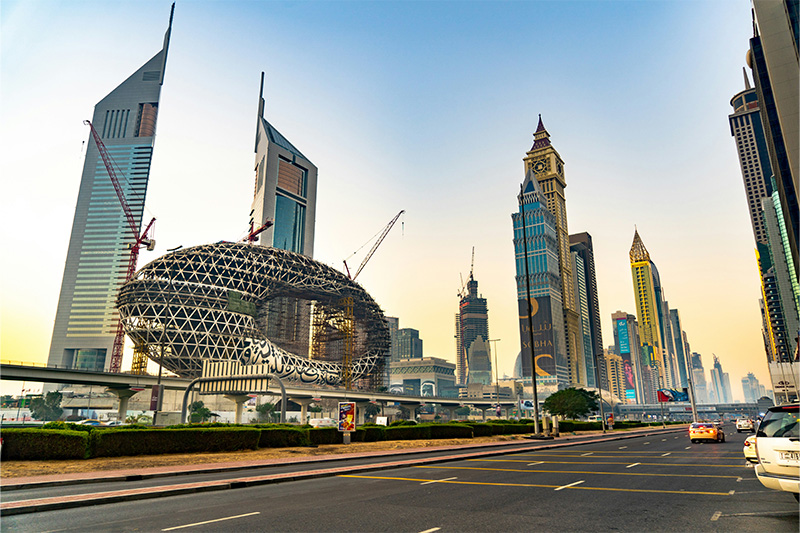
Outdoor architectural lighting installed in desert climates faces several environmental challenges that can affect performance and lifespan.
1. Extremely High Ambient Temperatures
Summer temperatures in the Middle East and North Africa frequently reach:
• 45°C – 50°C ambient temperature
• 60°C – 75°C surface temperature under sunlight
These conditions place significant thermal stress on LED chips, drivers, and electronic components.
2. Dust and Sandstorms
Many MENA regions experience frequent sandstorms that introduce fine dust particles into outdoor equipment. Without proper sealing, dust can accumulate inside fixtures and affect optical performance.
3. High UV Radiation
Intense UV exposure can degrade low-quality materials, causing:
• silicone gasket aging
• discoloration of lenses
• sealing failure over time
4. Large Temperature Fluctuations
Although daytime temperatures are extremely high, desert nights can cool rapidly, creating large temperature swings that cause thermal expansion and contraction.
Why Standard Outdoor LED Fixtures May Fail in Hot Regions
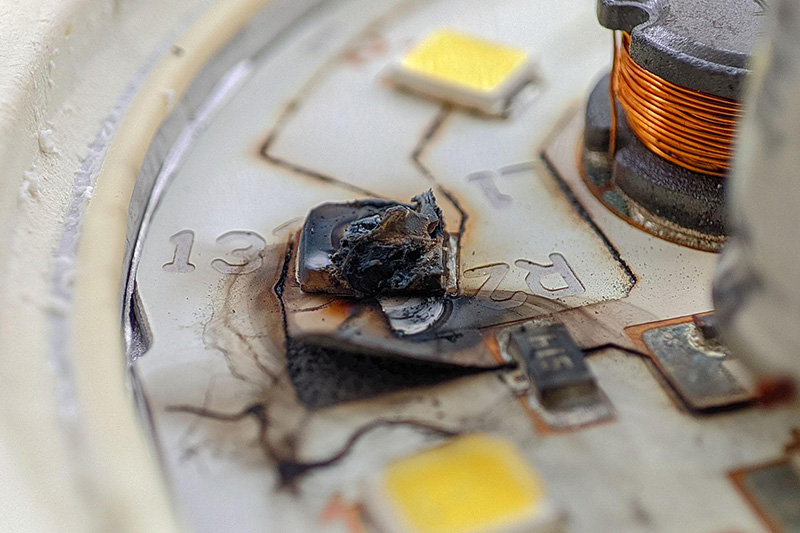
Outdoor LED fixtures designed for temperate climates may fail quickly when used in extreme heat environments.
1. Driver Failure
The LED driver is often the most vulnerable component. If the driver is not rated for high temperatures, it may fail prematurely.
2. LED Lumen Degradation
High operating temperatures accelerate LED aging, resulting in:
• reduced brightness
• color shift
• shorter lifespan
3. Waterproof Seal Failure
Heat combined with UV radiation can cause rubber gaskets to deteriorate, eventually compromising the fixture’s waterproof rating.
4. Structural Stress
Extreme temperature changes may cause thermal expansion, potentially loosening screws or affecting fixture alignment.
Key Features of Outdoor Lighting Designed for High-Temperature Environments
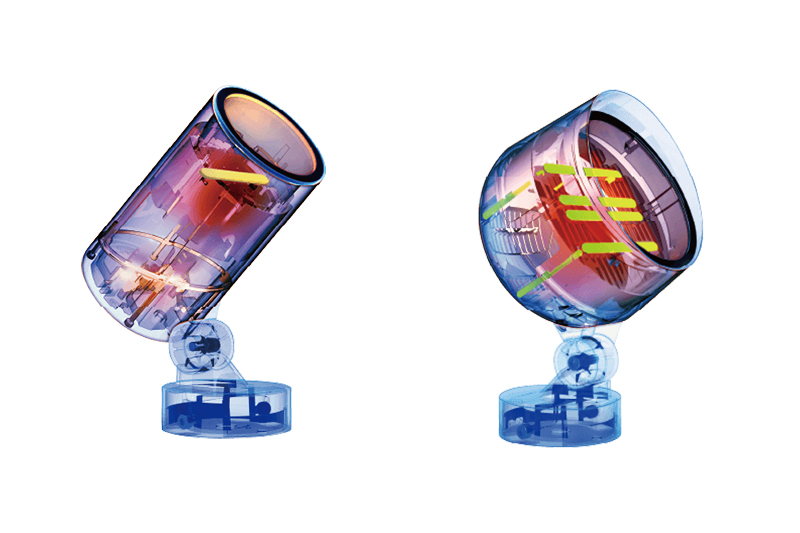
Professional outdoor lighting fixtures designed for desert environments must incorporate advanced engineering features.
1. Efficient Thermal Management
Thermal design is critical for maintaining LED performance. High-quality fixtures typically include:
• large and efficient die-cast aluminum heat sinks
• optimized heat dissipation fins
• high thermal conductivity materials
Effective thermal management keeps LED junction temperatures stable, even in high ambient heat.
2. High-Temperature LED Drivers
For projects in the Middle East and North Africa, LED drivers should support:
• operating temperatures up to 60–70°C
• surge protection against unstable power grids
• long lifetime electronic components
Many professional projects also use remote drivers to reduce heat accumulation inside the fixture body.
3. UV-Resistant and Durable Materials
Materials used in outdoor lighting must withstand years of sun exposure.
Common solutions include:
• excellent finished aluminum housing
• UV-resistant silicone sealing
• tempered glass optical lenses
These materials help maintain structural durability and optical clarity.
4. High Protection Ratings (IP & IK)
To survive dust storms and outdoor impacts, fixtures should have:
• IP66 or IP67 waterproof rating
• IK08 – IK10 impact resistance
These ratings ensure protection against dust intrusion and environmental damage.
Recommended Architectural Lighting Fixtures for Hot Climate Projects
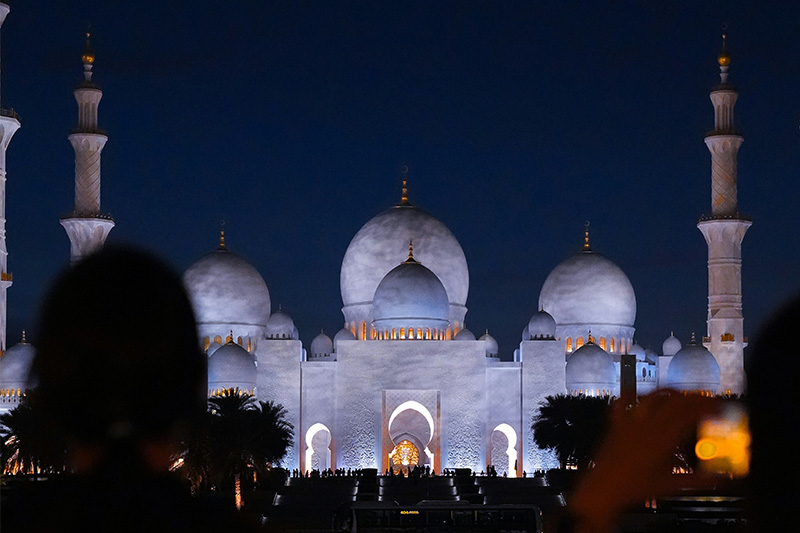
1. LED Wall Washers for Building Facades
LED wall washers are widely used for illuminating:
• hotel facades
• shopping malls
• cultural buildings
• government landmarks
High-power wall washers designed for desert climates usually feature large heat sinks and outdoor-rated drivers.
2. LED Floodlights for Large Architectural Surfaces
Floodlights are ideal for large-scale lighting projects such as:
• landmark buildings
• monuments
• bridges
• landscape lighting
Using high-temperature-resistant floodlights ensures stable performance even during extreme summer heat.
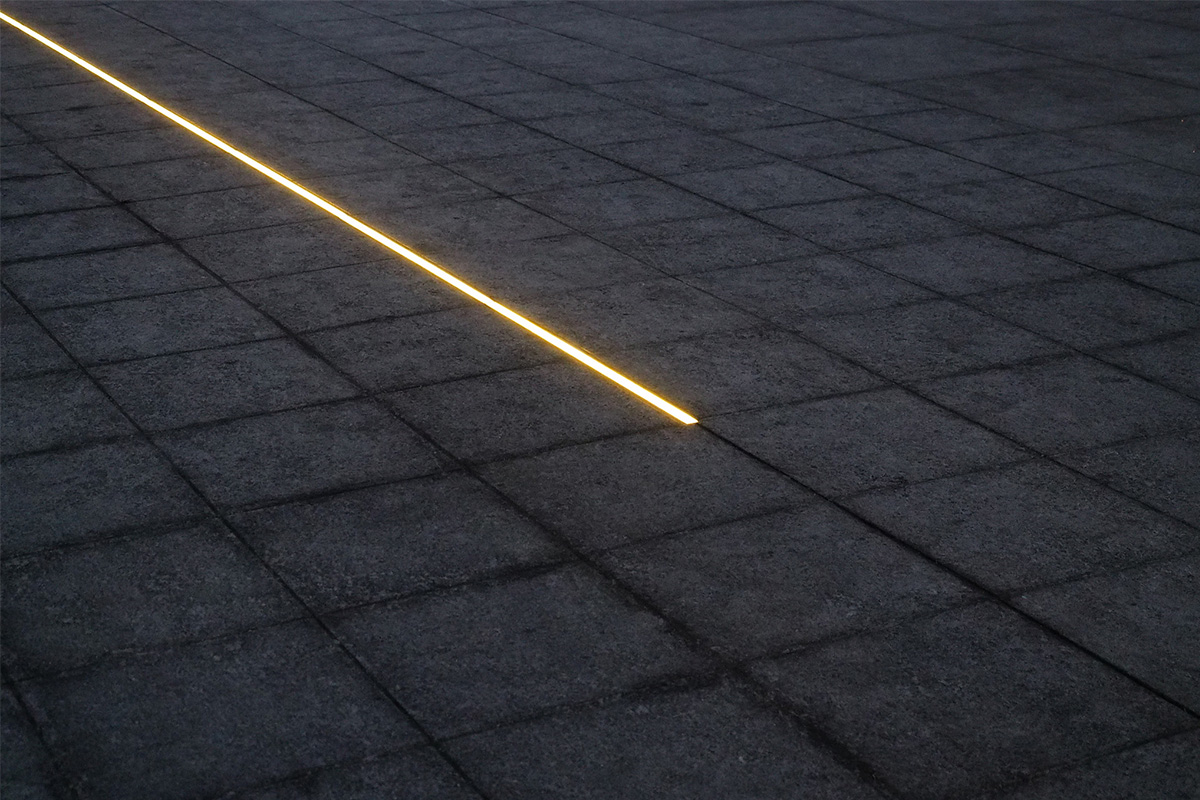
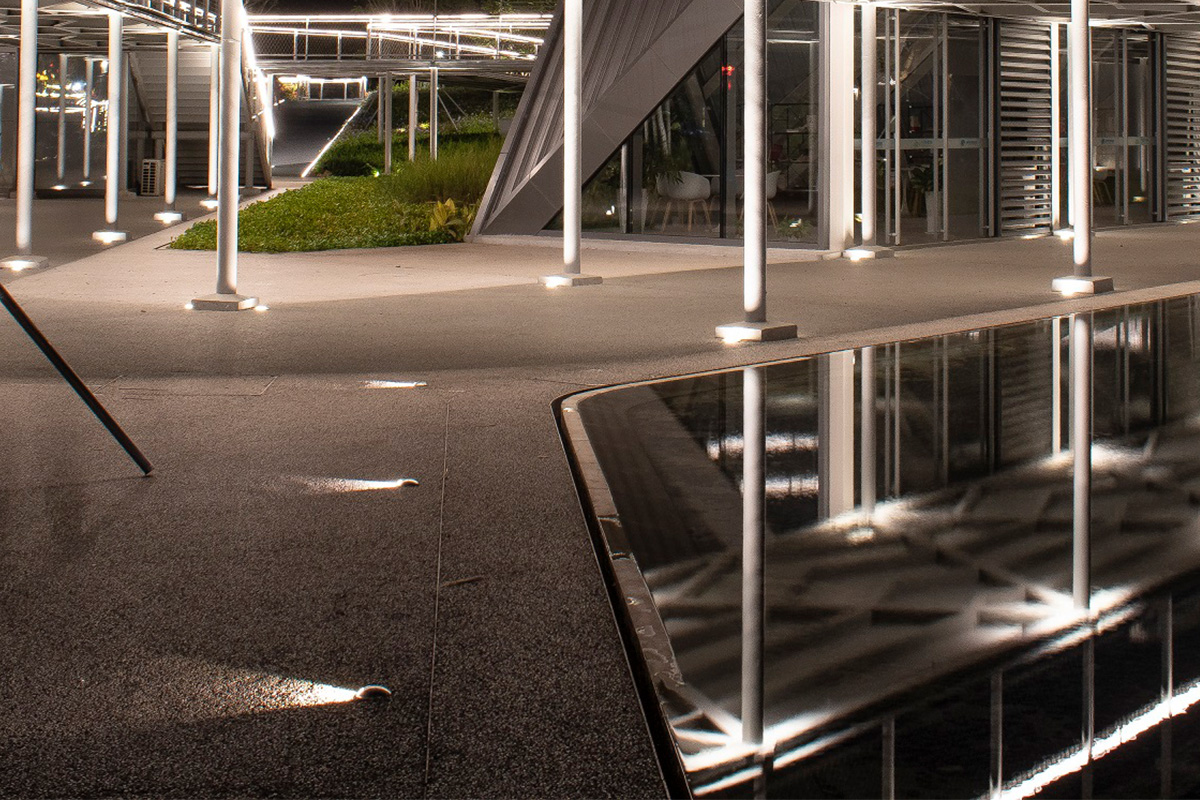
3. Inground Up-lighters for Landscape and Facade Uplighting
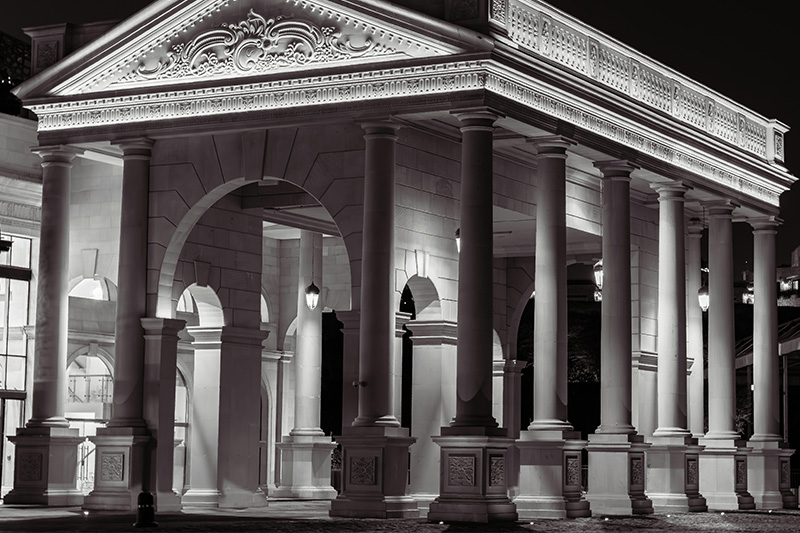
Inground up-lighters are commonly used for:
• palm tree lighting
• facade uplighting
• plazas and walkways
• hotel entrance lighting
High-quality inground lighting fixtures require:
• excellent waterproof structure
• anti-condensation design
• strong thermal management
Working with a reliable inground luminaire manufacturer is essential for projects in hot climates.
Best Practices for Architectural Lighting Projects in Desert Regions
To improve reliability and lifespan, lighting designers should follow several best practices:
• Choose fixtures tested for high ambient temperature environments
• Install luminaires in well-ventilated locations
• Use surge protection and stable power supplies
• Select products from experienced China architectural lighting manufacturers
• Ensure fixtures are designed for dust and sand resistance
FAQ: Outdoor Lighting in High Temperature Environments
1. What temperature can outdoor LED lighting withstand?
High-quality architectural lighting fixtures are typically designed to operate in ambient temperatures up to 50–60°C, with internal components rated for even higher temperatures.
2. Does extreme heat reduce LED lifespan?
Yes. High temperatures increase LED junction temperature, which can accelerate lumen depreciation and reduce lifespan if the fixture lacks proper heat dissipation.
3. What protection rating is recommended for desert environments?
For desert climates, fixtures should have at least IP66 waterproof rating and IK08 or higher impact protection.
4. Why choose a specialized architectural lighting manufacturer?
Experienced manufacturers understand how to design fixtures with advanced thermal management, durable materials, and high-temperature drivers, ensuring reliable performance in extreme climates.
Outdoor architectural lighting in the Middle East and North Africa requires lighting systems specifically designed for extreme heat, intense sunlight, and dusty environments.
By selecting fixtures with advanced thermal management, durable materials, and high protection ratings, architects and lighting designers can ensure reliable long-term performance.
For international lighting projects, partnering with an experienced China architectural lighting manufacturer and inground luminaire manufacturer can provide cost-effective and high-performance solutions tailored to demanding climates.