
304 vs 316 Stainless Steel Bezel for Inground Uplighters: Differences and Applications
304 vs 316 Stainless Steel Bezel for Inground Uplighters: What You Need to Know
Learn the key differences between 304 and 316 stainless steel for inground uplighter bezels/trim rings. Discover which grade works best for indoor, outdoor, and coastal applications to ensure long-lasting and aesthetic lighting solutions.
What is a Bezel in Inground Uplighters?
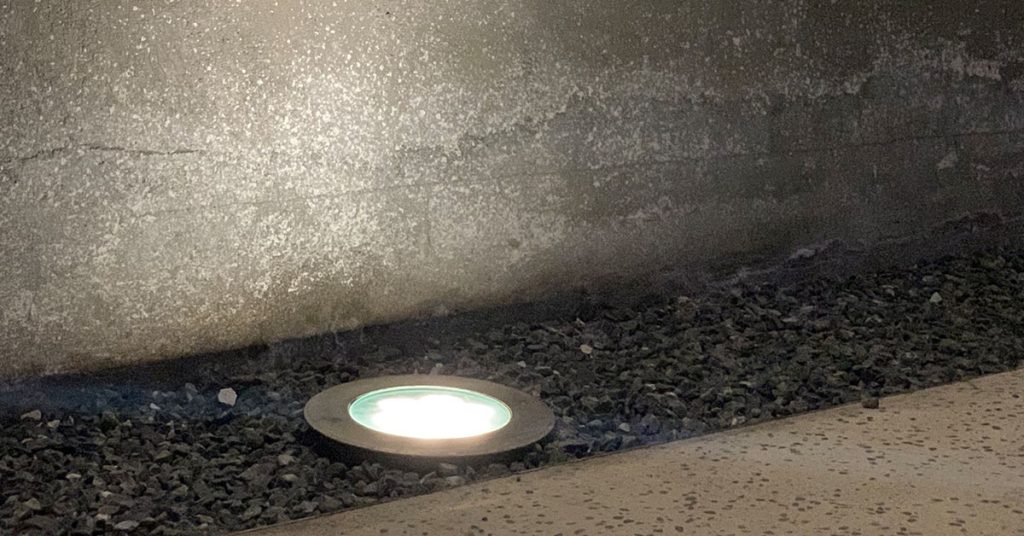
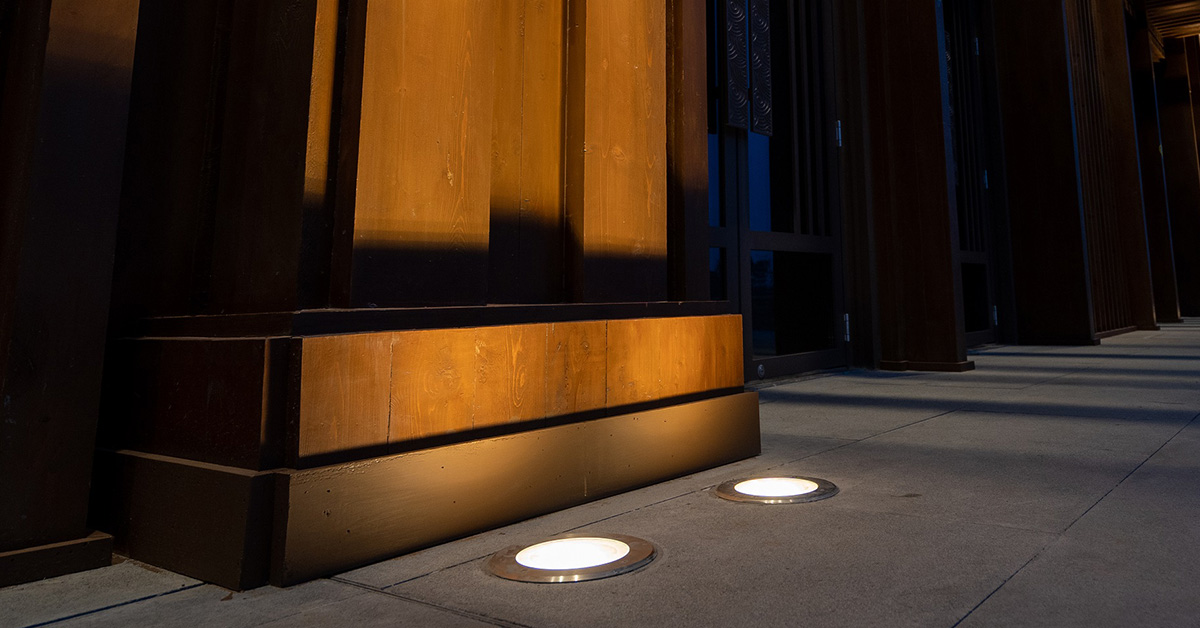
The bezel or trim ring is the visible top part of an inground uplighter that sits flush with the ground. Its main purposes are:
• Protecting internal components
• Providing safety for pedestrians
• Enhancing the overall aesthetic
Most high-quality inground luminaires use stainless steel for the bezel because of its corrosion resistance, strength, and clean finish.
Understanding Stainless Steel Grades: 304 vs 316
Stainless steel comes in various grades with different corrosion resistance and durability:
304 Stainless Steel
• Composition: ~18% Chromium, ~8% Nickel
• Properties: Good corrosion resistance and strength, cost-effective
• Ideal for: Indoor and mild outdoor conditions
• Limitations: Less resistant to chlorides (saltwater, pool water, coastal air)
316 Stainless Steel
• Composition: ~16% Chromium, ~10% Nickel, ~2% Molybdenum
• Properties: Superior corrosion resistance, especially in harsh and coastal environments
• Ideal for: Seaside, marine, swimming pools, industrial areas
• Limitations: Higher cost
Applications of 304 Stainless Steel Bezels
304 stainless steel works well in:
• Indoor environments: shopping malls, lobbies, office floors
• Outdoor areas with mild exposure: urban parks, pedestrian paths
• Residential gardens and driveways
Tip: Suitable if the location is not exposed to salty air or harsh chemicals. For these standard environments, choosing the right color temperature is often more critical for the visual outcome than upgrading the steel grade.
Applications of 316 Stainless Steel Bezels
316 stainless steel is recommended for:
• Coastal areas: promenades, marina walkways, seaside parks
• Swimming pools and water features
• Industrial areas with chemical exposure
Tip: Worth the higher cost for long-term durability in harsh environments. In many high-end facade projects, 316 steel is the standard for adjustable inground lights, ensuring that the precision internal mechanics remain protected from external corrosion.
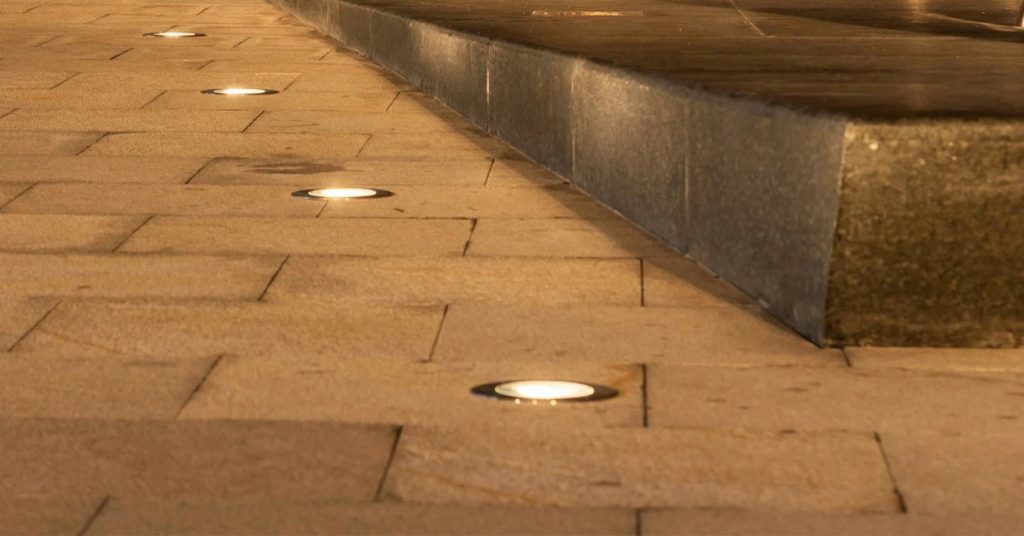
Quick Comparison Table
| Feature / Factor | 304 Stainless Steel | 316 Stainless Steel |
|---|---|---|
| Indoor use | ✅ | ✅ |
| Mild outdoor exposure | ✅ | ✅ |
| Coastal/marine exposure | ❌ | ✅ |
| Swimming pool areas | ❌ | ✅ |
| Cost | Lower | Higher |
| Longevity in harsh conditions | Moderate | Excellent |
Summary
• 304 Stainless Steel: Cost-effective, ideal for indoor or mild outdoor environments.
• 316 Stainless Steel: Premium, highly resistant to corrosion, perfect for coastal, poolside, and industrial applications.
Pro Tip: Always choose the stainless steel grade based on environmental exposure to ensure durability, aesthetics, and safety. Furthermore, when sourcing luminaires for public or industrial projects, ensure they meet the appropriate safety standards, such as Class I vs Class II luminaires, to guarantee a secure installation.
Choosing the right stainless steel grade for inground uplighter bezels or trim rings is crucial for the longevity, safety, and visual appeal of your lighting installations. While 304 stainless steel is a reliable and cost-effective option for indoor or moderately exposed outdoor environments, it may not withstand prolonged exposure to salty air, poolside chemicals, or industrial pollutants. On the other hand, 316 stainless steel offers superior corrosion resistance, making it the preferred choice for coastal, marine, or chemically aggressive settings.
For architects, lighting designers, and property owners looking for reliable suppliers, sourcing from reputable China manufacturers can ensure high-quality 304 and 316 stainless steel bezels that meet international standards. Investing in the proper stainless steel grade not only extends the life of your fixtures but also reduces long-term maintenance costs and ensures consistent performance. By working with experienced Chinese manufacturers, you can balance cost, durability, and aesthetics while choosing the right bezel material for your specific environment.
Always consider the local climate, exposure to water or chemicals, and the expected lifespan of the installation before selecting your bezel material. By choosing wisely and sourcing from trustworthy Chinese manufacturers, you can guarantee that your inground uplighters remain both functional and visually appealing for many years to come.