
Wireless DMX vs Wired DMX for Outdoor Architectural Lighting: Which Is More Reliable?
Wireless DMX vs Wired DMX for Outdoor Architectural Lighting: Why Wired DMX Is the Better Choice
In modern architectural lighting projects, DMX control systems play a critical role in achieving dynamic and precise lighting effects. While wireless DMX technology is often requested for its convenience, professionals in outdoor architectural lighting consistently favor wired DMX systems for reliability and performance.
This article provides a comprehensive comparison between wireless DMX and traditional wired DMX, helping lighting designers, contractors, and project owners make informed decisions.
What Is DMX Control?
DMX (Digital Multiplex) is the standard communication protocol used to control lighting fixtures. It allows centralized control of multiple luminaires, enabling synchronized lighting effects across buildings, landscapes, and facades.
Wireless DMX: Convenience with Limitations
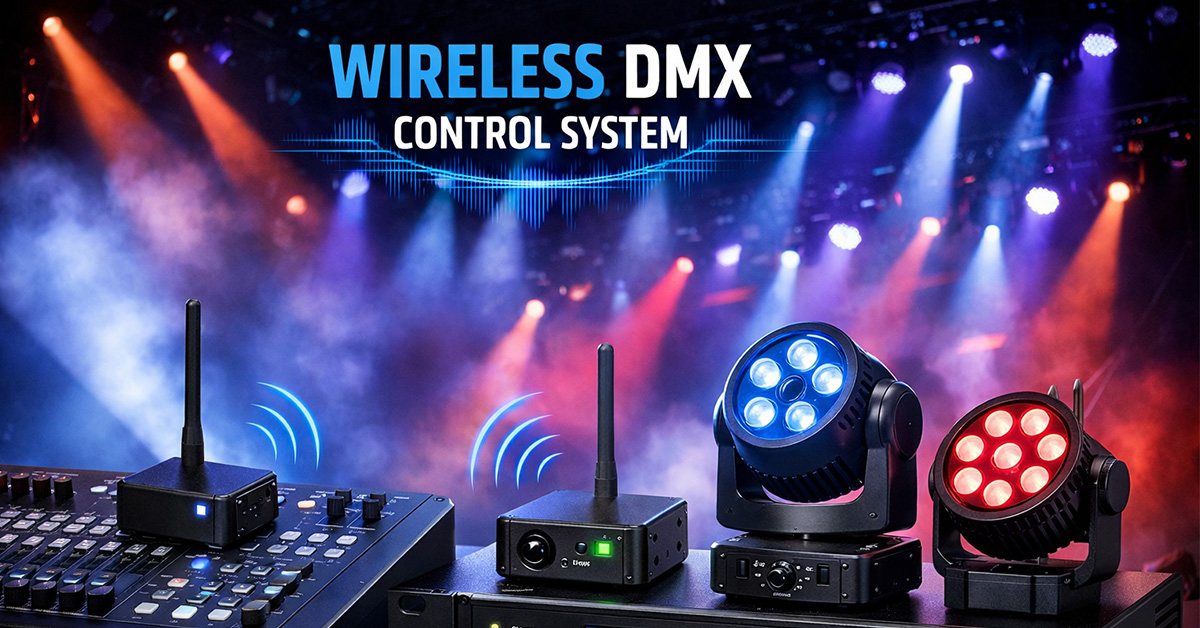
Wireless DMX transmits control signals via radio frequencies instead of cables. It is often seen as a modern, flexible solution.
Advantages of Wireless DMX
• No cabling required
• Faster installation in temporary setups
• Suitable for events and stage lighting
• Flexibility in difficult-to-wire environments
Key Limitations in Outdoor Applications
However, in outdoor architectural environments, wireless DMX faces several critical challenges:
• Signal interference
Urban environments are full of RF interference (Wi-Fi, mobile networks, etc.), which can disrupt DMX signals.
• Limited transmission stability
Buildings, weather conditions, and obstacles can weaken or block signals.
• Latency and signal loss
Even minor delays can affect synchronized lighting effects across large facades.
• Environmental impact
Rain, humidity, and temperature fluctuations can degrade wireless performance. Especially in challenging coastal environments, cable protection is as important as signal stability.
• Security concerns
Wireless signals can be more vulnerable to interference or unauthorized access.
As a result, wireless DMX is generally not recommended for permanent outdoor architectural lighting projects.
Wired DMX: The Industry-Proven Solution
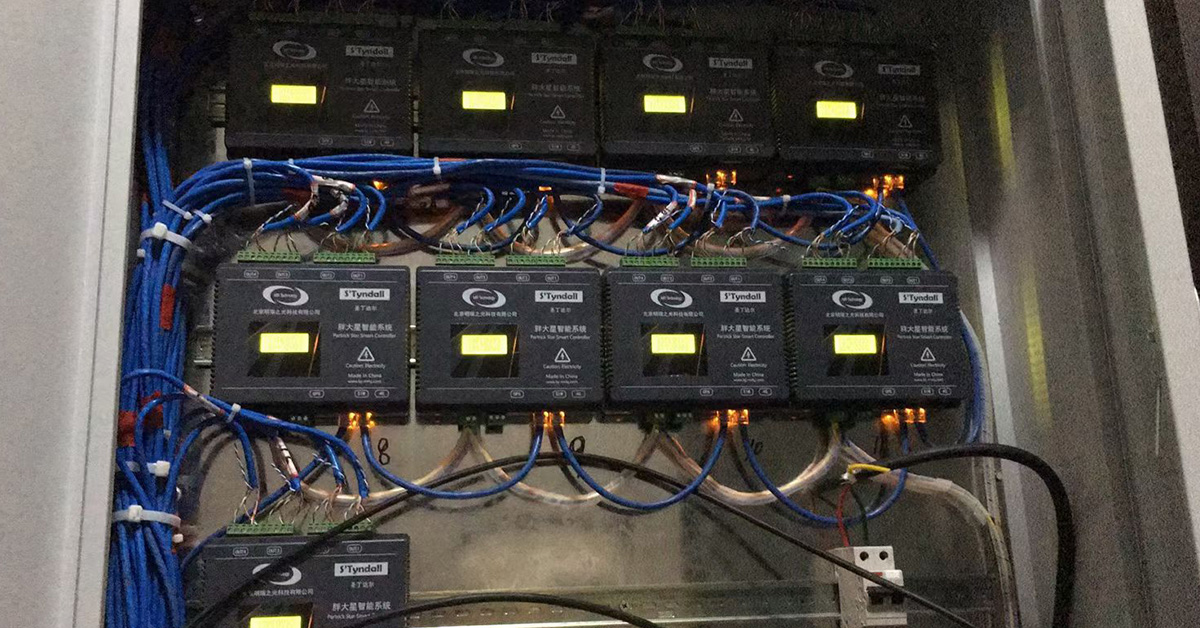
Wired DMX systems use physical cables (typically shielded twisted pair) to transmit control signals between controllers and fixtures.
Advantages of Wired DMX
• Exceptional stability
Wired connections ensure consistent signal transmission without interference.
• Reliable long-distance control
Ideal for large-scale building facades and landscape lighting.
• Low latency and high synchronization accuracy
Critical for complex lighting animations.
• Weather-resistant with proper installation
Outdoor-rated cables and connectors ensure long-term durability.
• Industry-standard and widely supported
Proven technology used in architectural lighting worldwide.
Considerations
• Requires cabling infrastructure
• Higher initial installation effort
However, these are typically one-time investments that ensure long-term reliability.
Wireless DMX vs Wired DMX: Key Comparison
| Feature | Wireless DMX | Wired DMX |
|---|
| Installation | Easy, no cables | Requires wiring |
| Stability | ❌ Unstable outdoors | ✅ Highly stable |
| Signal Interference | High risk | Minimal |
| Transmission Distance | Limited | Long-distance capable |
| Latency | Possible delays | Near-zero |
| Maintenance | Troubleshooting complex | Easy and predictable |
| Best Use Case | Temporary events | Permanent architectural lighting |
Why Wired DMX Is Better for Outdoor Architectural Lighting
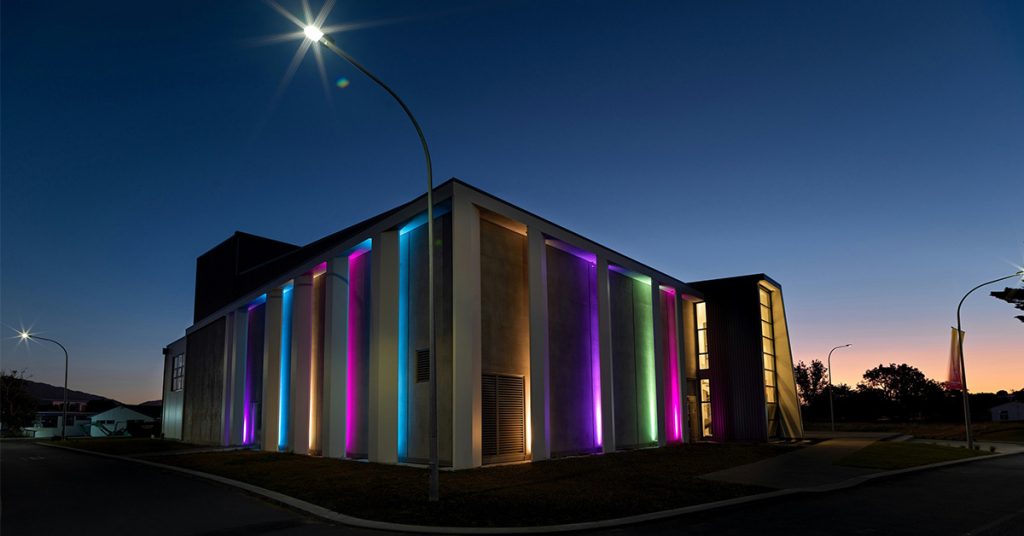
For outdoor architectural lighting, the priorities are:
• Long-term reliability
• Stable performance
• Precise synchronization
• Resistance to environmental factors
Wireless DMX simply cannot guarantee these requirements consistently in real-world conditions.
In contrast, wired DMX systems provide:
✔ Stable and uninterrupted communication
✔ Accurate control across large installations
✔ Resistance to interference and weather
✔ Proven long-term performance
While wireless DMX may appear convenient, it is not suitable for most outdoor architectural lighting projects due to instability and environmental limitations.
👉 The conclusion is clear:
Traditional wired DMX systems remain the best and most reliable solution for outdoor architectural lighting.
For professional lighting projects—especially building facades, bridges, and landscapes—wired DMX ensures consistent performance, reduced risk, and long-term success.
Why Choose a Professional Outdoor Architectural Lighting Manufacturer?
A specialized outdoor architectural lighting manufacturer understands the complexities of outdoor environments, including signal stability, system integration, and long-term durability. They can design and deliver complete wired DMX solutions with high-quality DMX controlled LED luminaires tailored to your project, ensuring optimal performance and reliability.
Choosing an experienced manufacturer also means access to high-quality components, proper system planning, and technical support—minimizing risks and maximizing the lifespan of your lighting installation.